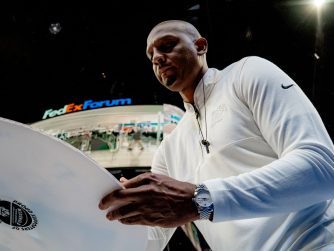


Clemson lost its quarterback early. It did not lose the obligation to block, tackle or offer a credible response. That is where the explanation for a 20–6 home loss to Georgia Tech has to begin—not because Tait Reynolds’ injury was insignificant, but because using it to explain the entire afternoon would let too much else escape examination.
Monday Hangover: Clemson’s Headache Goes Beyond the Quarterback
The Tigers finished with 228 total yards. Georgia Tech rushed for 269. One number describes an offense that could not function consistently. The other describes a defense that could not get enough control to help it. Together, they describe something larger than a disrupted quarterback plan.
The Injury Matters
Any serious diagnosis must acknowledge what happened to Reynolds. Losing a starting quarterback changes the available offense. Timing, communication, protection responsibilities and play selection can all become more difficult.
Clemson had to adjust under circumstances it did not choose. That deserves consideration. It does not provide immunity. An injury can explain why an offense becomes limited. The next question is whether the rest of the team can compensate—and whether the staff can identify a workable alternative. Against Georgia Tech, Clemson did not find enough.
The Ground Game Tells the Story
Georgia Tech ran for 269 yards. Clemson managed 86. That is the clearest place to start reviewing this game because it reaches both sidelines and both lines of scrimmage. Why could Clemson not establish enough on the ground to ease the burden on its quarterbacks?
Why did Georgia Tech continue finding productive rushing opportunities? Which problems came from personnel, which came from execution and which required a better coaching answer? Those questions need film, not slogans. “Be more physical” is a demand. It is not a diagnosis.
Find the Repetition
This was the fourth time this season Clemson allowed at least 190 rushing yards. That makes the defensive performance harder to dismiss as an isolated bad afternoon. A recurring failure requires a recurring explanation. Are the same fits breaking down? Is tackling turning manageable plays into damaging gains? Are adjustments arriving too late, or failing after they arrive?
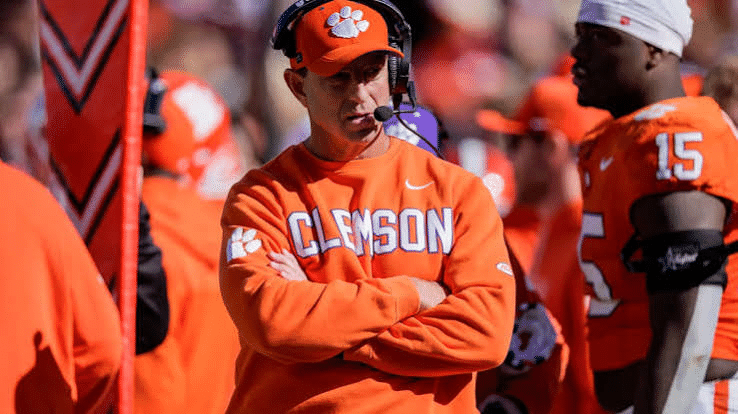
Dabo Swinney and his staff need answers more specific than disappointment. The practical correction may involve fewer calls, clearer responsibilities or personnel changes. But the prescription has to follow the evidence. Simply changing something is not the same as fixing it.
Accountability Has to Produce a Plan
The useful question is not whether everyone inside Clemson is upset. The useful question is what happens next. Build an offensive plan that the available quarterback can execute. Identify the rushing concepts that still offer a realistic foundation. Establish why opponents keep reaching damaging ground totals.
Then measure whether those changes work. Clemson does not need another speech about its standard. It needs evidence that the standard still guides the details. Reynolds’ injury made Saturday harder. The failures around it made Monday’s headache more serious.