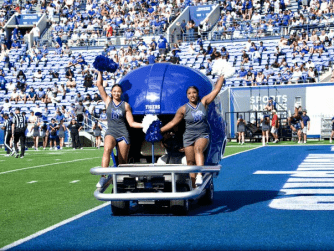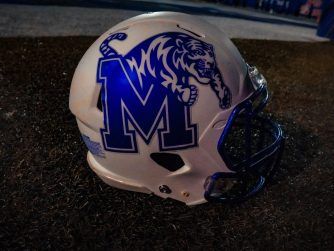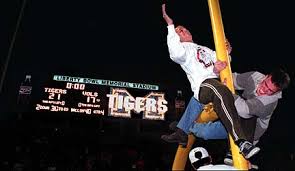

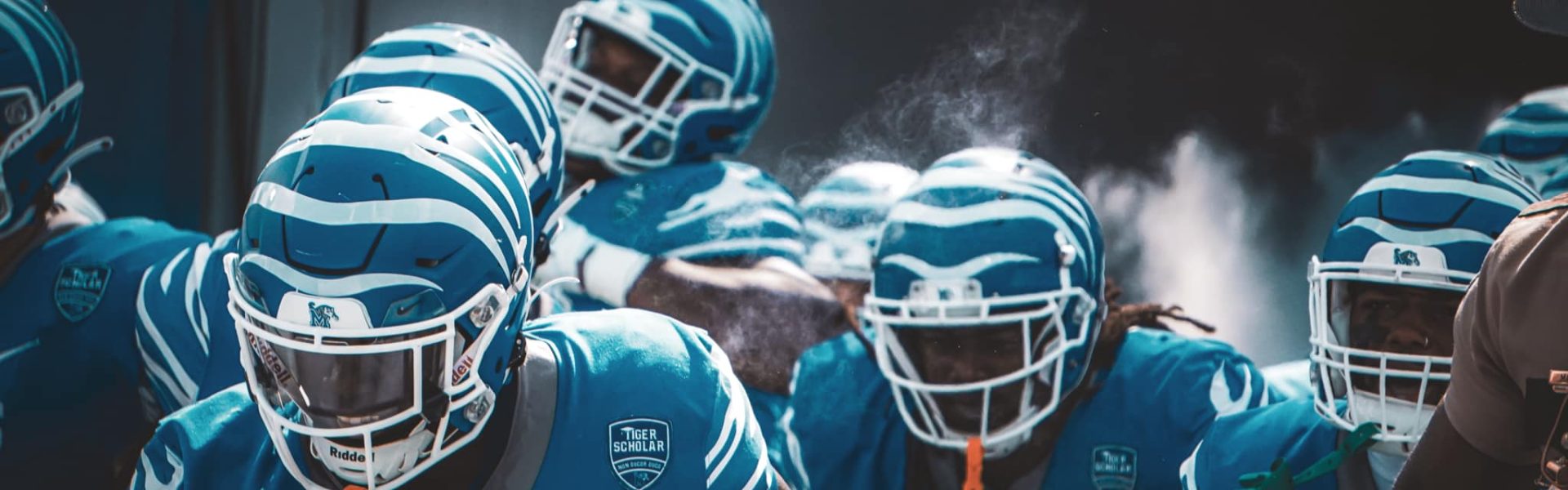
Winning changes everything at Simmons Bank Liberty Stadium, but in Memphis, it doesn’t replace loyalty—it amplifies it. When the Tigers stack victories, the entire stadium transforms into a living, roaring organism. The atmosphere sharpens, the crowds swell, and the energy surges through every concrete beam. Memphis has always had passionate supporters, but winning seasons elevate that passion into something electric. The program’s recent success has turned home games into events that feel part festival, part celebration, part declaration of pride. It is in these winning years that the Liberty Bowl becomes a fortress.
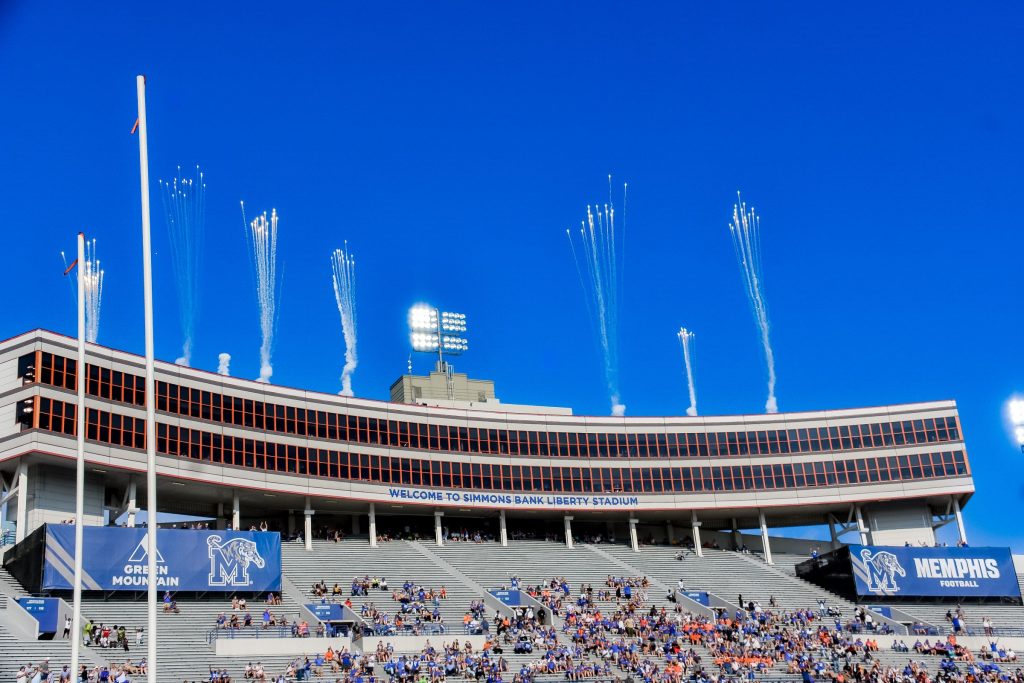
Over the past decade, as Memphis built strings of ten‑win campaigns, attendance ballooned. Games that once drew modest crowds suddenly topped fifty thousand. Fans who had weathered years of inconsistency welcomed newcomers eager to join the momentum. Navy matchups sold out in hours. Tulane games under the lights reached fifty‑eight thousand strong, filling every row from end zone to end zone. The stadium buzzed with anticipation even before kickoffs, with tailgates spilling from parking lots into nearby streets. Smoke from hundreds of grills drifted across the grounds, carrying the familiar aroma of ribs, burgers, and barbecue that have long defined Memphis traditions.
With each win, the city’s energy spread. Fans wearing blue and gray filled local restaurants on game days. Families turned home games into all‑day outings, arriving as early as sunrise to claim their favorite tailgate spots. Kids tossed footballs between rows of tents while adults debated matchups and predictions. Strangers became friends through high‑fives, shared beverages, and mutual excitement. Victory creates a loop—diehards bring casual fans, casual fans become regulars, and regulars deepen the culture.
The more the Tigers win, the more the stadium itself seems to evolve. New renovations have enhanced that feeling. Premium clubs draw boosters who enjoy field‑level views, screens, and buffets served with steak, while suites offer comfortable angles overlooking the action. Upgraded turf reflects stadium lights with a sharp sheen, and videoboards curl around the end zones, delivering highlights that feel larger than life. Bass from the sound system thunders during player introductions, shaking the bleachers as fans erupt in anticipation. Wins bring energy, and energy brings identity.
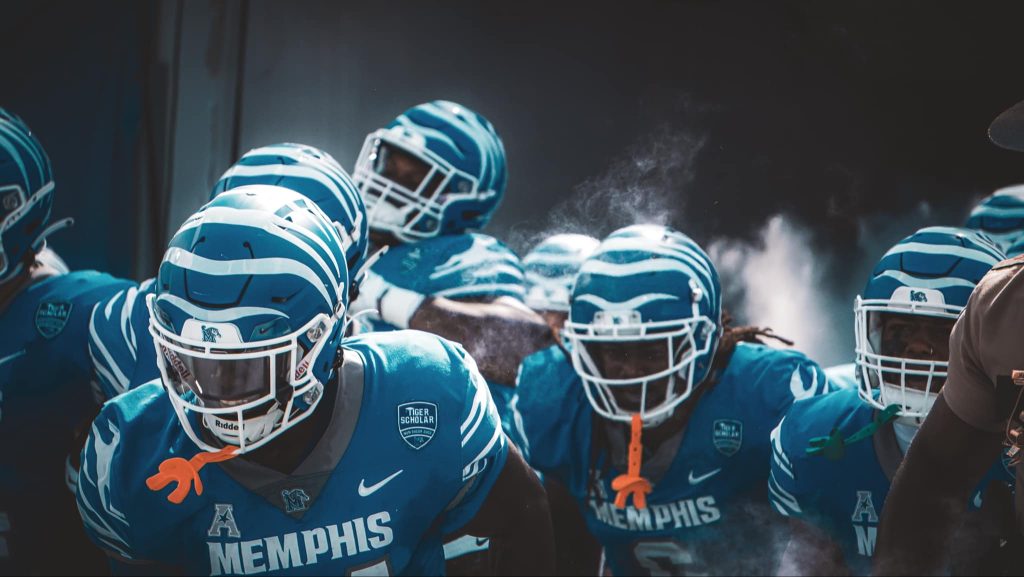
Last season’s eight American Athletic Conference wins created an atmosphere rivaled only by the program’s best eras. Even with temporary capacity reductions caused by renovation phases, demand surged beyond available seats. Season tickets disappeared quickly. Single‑game tickets sold out in record time. Some games saw secondary market prices surge as fans scrambled for a chance to be part of the noise, the spectacle, the shared adrenaline of a winning night in Memphis.
Nothing solidifies this more than rivalry games. When the Tigers faced Tulane in a highly anticipated matchup, the stadium’s intensity peaked. The crowd’s roars rattled helmets. Defensive stands felt like earthquakes. When Memphis delivered a decisive win, the night became an instant classic. Fans streamed out with voices hoarse and hearts full, buzzing about how nights like that define eras.
History proves the point. The Tigers’ path to the 2019 Cotton Bowl pushed average attendance above fifty‑two thousand. A ten‑and‑three regular season produced home fields packed to the corners. Conversely, losing skids empty sections quickly; that is the reality across college football. But Memphis has a baseline of loyal fans who always show up, and winning seasons elevate turnout from dependable to astonishing. The formula is simple but powerful: winning generates momentum, and momentum fills seats.
Coach Huff understands this dynamic well. His approach emphasizes a gritty, clock‑controlling style—run the ball, slow the game, wear down defenses. It’s a blueprint that resonates with Memphis fans, who have long appreciated physical football. With competitive recruiting and innovative offensive wrinkles, the program maintains a trajectory that keeps fan excitement high. An eight‑and‑four season is no longer the dream; it’s the floor that propels the program forward.
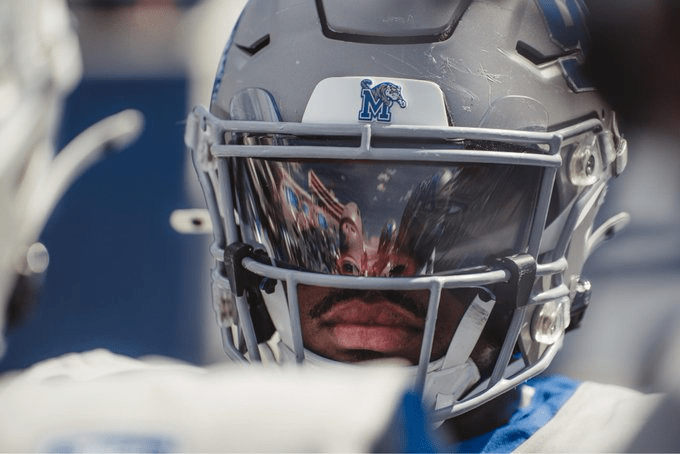
When schedules are released each spring, fans immediately circle rivalry dates. Navy under the lights, for example, automatically sparks demand. Tickets disappear. Tailgaters plan months. Alumni travel from across the country. These rivalry nights feel almost mythic, with emotions running high and noise swelling until visiting teams buckle under its weight.
Wins do more than fill seats—they forge memories. They create moments when the stadium feels supernatural, when momentum swings lift fans to their feet, when entire sections hold their breath together, waiting for a decisive play. When the Tigers punch in a late touchdown to seal a win, the roar feels like a wave crashing across the city. People remember where they were, who they were with, and how it felt. They retell those stories for years.
This is why the Liberty Bowl feels alive during winning seasons. The stadium becomes a character in the story, pushing the team forward. Fans believe their intensity influences outcomes, and players feed off that belief. Wins create pride. Pride creates demand. Demand creates the atmosphere that turns the stadium into one of college football’s most underrated environments.
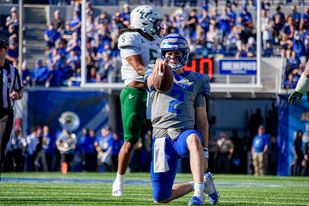
Memphis football thrives not just because the team wins, but because winning amplifies what fans have always loved: community, tradition, celebration, and shared identity. When seats fill, and the stadium erupts, the program’s potential becomes unmistakable. Winning doesn’t just make Memphis proud—it makes the Liberty Bowl iconic.