
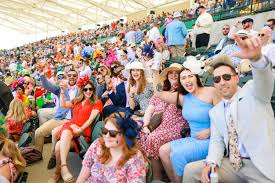
In the claustrophobic roar of 150,415 voices beneath the Twin Spires, the 152nd Kentucky Derby didn’t just crown a new champion—it realigned the sport’s center of gravity.
Golden Tempo and the Quiet Revolution: How an Underdog Derby Win Shook Tradition to Its Core
Golden Tempo, a 23‑1 long shot who started from last and finished first, sprinted into the record books as the first horse trained by a woman to win the Run for the Roses: Louisiana‑born Cherie DeVaux, whose quiet industriousness turned a generations‑old male bastion into the stage for her own seismic breakthrough.
Underdog Surge in the Modern Derby
Golden Tempo’s 2:02.27 victory in the 1¼‑mile classic was a master class in timing and resilience. Drafted from the back of the pack through the first turn, the son of Tapit and Carrumba waited in the shadows while the heavy‑hitting favorites—Renegade, Emerging Market, and other Kentucky‑bred powers—battled up front. With jockey Jose Ortiz in the saddle, Golden Tempo accelerated along the rail on the final bend, blew past tiring rivals in the stretch, and outfought Renegade by a neck to seize the garland of roses.
The win was a reminder that the Derby’s modern identity is less about raw pedigree and more about strategic race management, adaptability, and the ability of a trainer to extract peak performance in the sport’s most volatile 120 seconds. Owners Phipps Stable and St. Elias Stable, both longtime pillars of the Thoroughbred game, now share a monument in Golden Tempo: a horse whose name, born from a dance‑inspired maternal line, turned a gritty rally into high‑wire ballet.
Cherie DeVaux’s Quiet Breakthrough
Cherie DeVaux’s ascent to Derby glory is the story of a career built on consistency, not spotlight. As Golden Tempo’s conditioner, she became the first female trainer to win the Kentucky Derby, etching her name alongside legends while quietly reshaping the conversation about who “owns” the sport’s most demanding jobs. Her methods—grounded in hands‑on track work, meticulous observation, and a willingness to trust her own eye over consensus—turned Golden Tempo from a lightly regarded prospect into a finished classic contender.
DeVaux’s breakthrough also highlights the shifting dynamics of horse racing’s power structure. Ownership power remained concentrated in blue‑blood entities like Phipps and St. Elias, but the victory itself flowed through the hands of a trainer who had spent years navigating a male‑dominated training ranks. Her milestone is less a single moment of triumph and more a pivot point: a signal that the Derby’s mythology is no longer just about dynasties, but also about the quiet accumulation of craft by women who have long been doing the work behind the scenes.
Golden Tempo’s run from last to first in the 152nd Kentucky Derby offers more than a feel‑good underdog story; it underscores just how fragile the sport’s supposed hierarchies really are. A horse that opened at 23‑1 odds, steered by a jockey chasing his first Derby win on a Saturday that doubled as Golden Tempo’s own big‑stage debut, and guided by a trainer who rewrote the gendered script of the race—these elements converge into a single, electric truth: the Derby’s magic still lives in the margins, in the corners where long shots and overlooked figures quietly prepare to upend the establishment.
In the quiet aftermath of the confetti, the story of Golden Tempo and Cherie DeVaux stands not only as a Kentucky Derby chapter, but as a warning to the rest of the sport: the next seismic shift could be coming from the rail, from the shadows, from someone who was never supposed to be in the spotlight at all.