
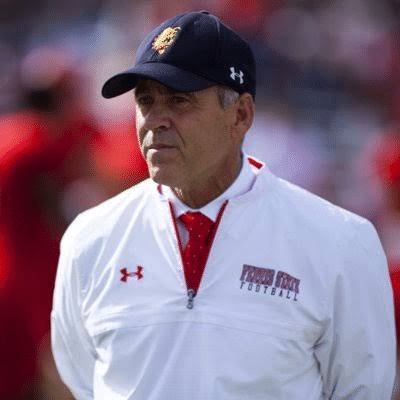
Thirty-two teams enter with a championship still possible. By Saturday night, half will be finished. There is no room for a reassuring explanation after a bad afternoon. No next set of rankings can restore the opportunity. Division II’s postseason begins Nov. 21 with 16 first-round games and a direct requirement: win or go home.
Everyone Is Chasing Ferris State—but the DII Playoff Bracket Has Other Plans
Ferris State enters as the defending champion after beating Harding 42–21 in last season’s national championship game. The Bulldogs are unbeaten again, but they are hardly alone. Harding, Slippery Rock, Northwood and CSU Pueblo also bring 11–0 records into the field. That combination supplies the national story: an established champion surrounded by unbeaten challengers, dangerous road teams and a selection system beginning a new chapter.
The Champion Sets the Standard
Ferris State opens at home against 7–4 Truman State. The Bulldogs’ 11–0 record follows a championship season that ended with a decisive victory over Harding, making them the natural starting point for any national outlook.

But starting the discussion with Ferris State should not mean ending it there. Slippery Rock hosts Charleston of West Virginia, while Northwood welcomes Grand Valley State. In Super Region Four, CSU Pueblo hosts Midwestern State and Harding faces Washburn. Each unbeaten team has earned an advantageous opening assignment at home. None has earned a place in the second round
Northwood’s opener is particularly compelling. The unbeaten Timberwolves face an 8–3 Grand Valley State program making its 24th NCAA playoff appearance. That creates an immediate test between a perfect regular-season team and an opponent with extensive postseason experience.
It also illustrates why records cannot complete a playoff preview. A record establishes what happened. The matchup determines which strengths remain useful against a different opponent. The same caution applies to Ferris State. Its championship credentials deserve respect, but the bracket does not award advancement for defending a title. The Bulldogs must defend possessions, convert opportunities and solve the opponent in front of them. Every challenger faces the same requirement.
The Toughest Paths Start Early
Super Region Four offers an especially crowded collection of reasons to watch. CSU Pueblo and Harding are unbeaten. Northwest Missouri State enters 9–1. Western Colorado brings a 10–1 record to Central Washington, while Ouachita Baptist arrives at Northwest with seven consecutive victories.
Those are not teams waiting for a later round to encounter meaningful resistance. The resistance begins immediately. Northwest’s home game against Ouachita pairs two programs finishing strongly. The Bearcats have won six straight and closed the regular season by beating Pittsburg State 45–7. Ouachita secured its opportunity with a 35–33 rivalry victory over Henderson State.
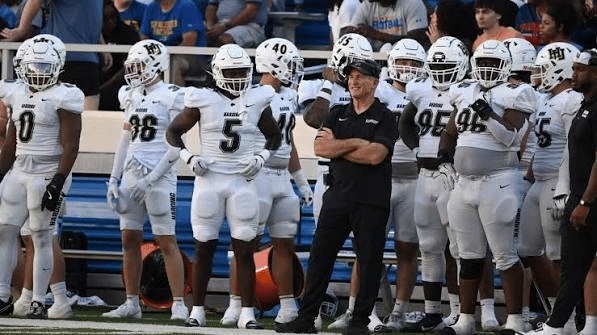
Harding, meanwhile, faces a Washburn team whose defense has recovered 14 fumbles and scored four defensive touchdowns. That makes ball security a specific matchup issue rather than a generic postseason talking point. The potential second-round connections add interest without making the opening games preliminary exercises.
Harding and Ouachita could meet again. Northwest could earn another shot at Harding after losing to the Bisons in last season’s playoffs. But those possibilities depend on winning Saturday. The best way to cover this region is to respect both layers: acknowledge the possible collisions, then explain the opponents capable of preventing them.
Elsewhere, Benedict hosts Newberry, Kentucky State welcomes Carson-Newman, and Valdosta State faces Edward Waters. Those games provide additional opportunities for programs outside the most familiar national conversation to shape the championship race.
A New System Meets an Old Rule
This postseason also introduces a consequential change before anyone takes the field. The NCAA Power Index was used to select the 17 at-large teams joining 15 automatic qualifiers. The championship features 32 teams for the second consecutive year, with eight selected from each super region. That distinction matters when discussing the field. Automatic qualification and at-large selection are separate routes into the same tournament.
The new system deserves scrutiny based on how it operates and the selections it produces—not assumptions drawn from records alone. Once the games begin, however, the debate changes. Teams cannot improve their selection arguments. They can only improve their execution.
Watch whether offenses create manageable situations rather than relying on difficult conversions. Watch how defenses respond after an explosive play. Watch whether special teams change field position or surrender an opportunity an opponent could not create itself.
Those details will help explain which teams survive the transition from regular-season success to elimination football. The championship is scheduled for Dec. 19 at McKinney ISD Stadium in Texas. Getting there requires five postseason victories, beginning with Saturday’s opening round.
Ferris State has the title everyone wants. Several unbeaten challengers have records that demand attention. The rest of the field has an opportunity to make those credentials insufficient. By Saturday night, the contenders will no longer be separated by projections. They will be separated by who earned another week.