

The most dangerous sentence in college football this time of year might be, “They should win this one.” It sounds reasonable. It accounts for the rankings, the recognizable players, and the résumé built over the previous two months.
College Football’s November Test Is About Answers, Not Appearances
What it cannot account for is the moment a favorite falls behind, a quarterback loses his rhythm or an opponent discovers the weakness everyone else failed to exploit.
That is the tension surrounding this week’s national schedule. From Ohio State’s trip to Nebraska to LSU at Tennessee and Georgia at South Carolina, the most revealing question is not simply which team wins. It is which team can keep finding answers when its preferred version of the game disappears.
Watch What Happens After the First Plan Fails
An efficient opening drive can make an offense look prepared. The more revealing possessions often come after the defense adjusts. Can the quarterback identify a different answer? Can the protection handle a new pressure? Can the running game produce something useful when the explosive play is unavailable?
Those questions deserve more attention than a single highlight. Ohio State–Nebraska offers a useful viewing lens: watch whether each offense can sustain a possession without needing a spectacular individual effort to rescue it. A manageable second down does not generate much discussion. Repeatedly creating one can change the entire afternoon.
The same principle applies defensively. Forcing a difficult third down is progress. Finishing the possession is the actual accomplishment. November analysis should distinguish between the two.
Road Games Demand More Than Talent
For LSU at Tennessee and Georgia at South Carolina, the response to adversity belongs near the center of the conversation. A road team cannot expect every stretch to feel comfortable. The challenge is preventing discomfort from becoming disorder. A penalty does not have to become a sack. A stalled possession does not have to become a special-teams mistake. One surrendered touchdown does not require an offense to chase the entire game on its next snap.
Home teams face a different responsibility. Energy can create an opening, but it cannot substitute for execution. A loud stadium still needs a third-down stop. A promising start still needs points. An opponent’s mistake still has to become something tangible. The teams that manage those moments best give themselves a chance to make their talent matter.
Make the Evidence Match the Opinion
This is also a demanding week for the people evaluating the games. A comfortable victory does not automatically answer every question. A narrow win does not automatically expose a fraud. The circumstances matter.
Did an offense consistently move the ball but waste scoring opportunities? Did a defense repeatedly defend short fields? Did a team solve a problem during the game, or survive without correcting it? Those distinctions produce better discussion than moving directly from the final score to a sweeping declaration. The standard should remain the same whether the result confirms a prediction or embarrasses it.
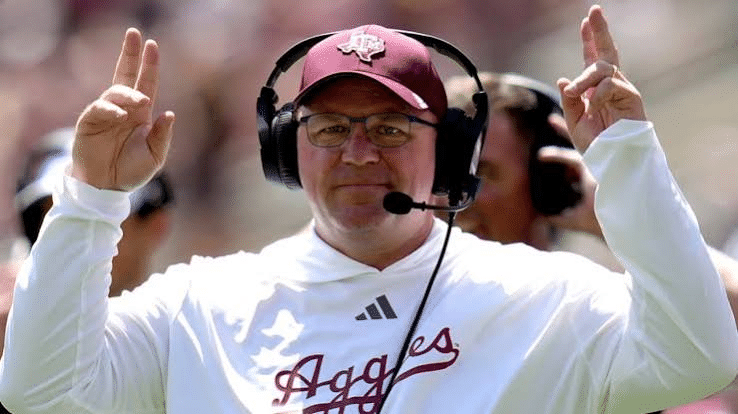
Saturday will produce winners, losers and plenty of confident explanations. The best explanations will identify what happened between the snaps—not merely point toward the scoreboard. Because November does not reward the team with the most convincing reputation. It rewards the team that can answer the next problem.