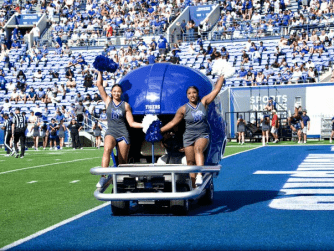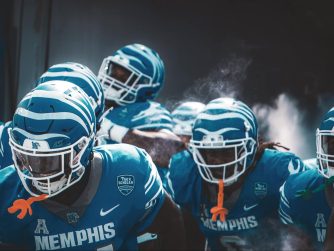


When Charles Huff stepped into Memphis, he carried more than a whistle, a playbook, or a motivational speech. He carried a mission, a clear, sharp, uncompromising directive: “Close the gap.” Those three words signal everything Huff believes about Memphis football. The Tigers have been good, competitive, scrappy, and occasionally spectacular. But Huff didn’t come to sustain that level; he came to elevate it. Closing the gap means pushing Memphis from a respected program into a feared one. From dangerous to dominant. From flirting with greatness to demanding it. And Huff, with his background in toughness, discipline, and player‑driven development, arrived with the blueprint to do exactly that.
At the core of Huff’s plan is identity. The teams that win consistently in college football know who they are and never stray from it. Memphis has always been at its best when grounded in physicality, bruising backs, relentless defenders, and quarterbacks who play with grit and daring. Huff embraces that heritage. His blueprint is built around a power‑first philosophy: run the ball downhill, control the clock, force opponents into uncomfortable situations, and let toughness dictate tempo. He believes opponents should walk out of the Liberty Bowl knowing they were hit, pushed, and worn down. This identity, when fully ingrained, becomes the heartbeat of a gap‑closing program.
But identity without recruiting is a car without fuel. Closing the gap begins with securing players who fit the system, players who reflect the spirit of the program and the DNA of the city. Memphis sits in the middle of a recruiting goldmine. The 901 produces physical, fast, competitive athletes every single year. For too long, many of those athletes left for Power Five programs. Huff intends to stop that pipeline. His staff is instructed to build relationships with Memphis‑area high schools not seasonally, but daily. He emphasizes presence. Respect. Trust. Players commit to people, not logos, and Huff knows the best way to close the gap is to ensure Memphis keeps Memphis.
Beyond the city, Huff targets undervalued talent across Mississippi, Arkansas, Alabama, and Louisiana, regions loaded with prospects overlooked by larger programs. Huff has a gift for identifying potential where others see uncertainty. At previous stops, he transformed unheralded recruits into starters, stars, and NFL prospects. Memphis gives him a deeper pool to work from. With evaluation as sharp as his, recruiting becomes not just a strategy but an accelerator.
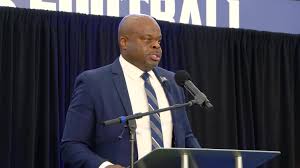
But signing players is half the battle. Developing them is how the gap closes for good. One of Huff’s strengths is his NFL‑modeled development approach. Every player receives an individualized plan crafted around technique, strength, nutrition, recovery, and football IQ. Huff believes the key to elevating a program isn’t having the best 22 players, it’s having the best 44. Depth prevents late‑season declines. Depth absorbs injuries. Depth lets teams win in the fourth quarter. And depth, above all, builds confidence. When the next man up is truly ready, the program grows stronger by the week.
Situational mastery is another focus. Football games rarely swing on talent alone; they swing on moments. Third down. Red zone. Two‑minute drills. Goal‑line stands. Huff-driven teams practice these moments tirelessly. The smallest mistakes, misaligned leverage, poor eye discipline, and missed assignments become teaching points. By the time games arrive, pressure situations feel routine. This is where gaps shrink fastest: when teams win the moments that decide outcomes.
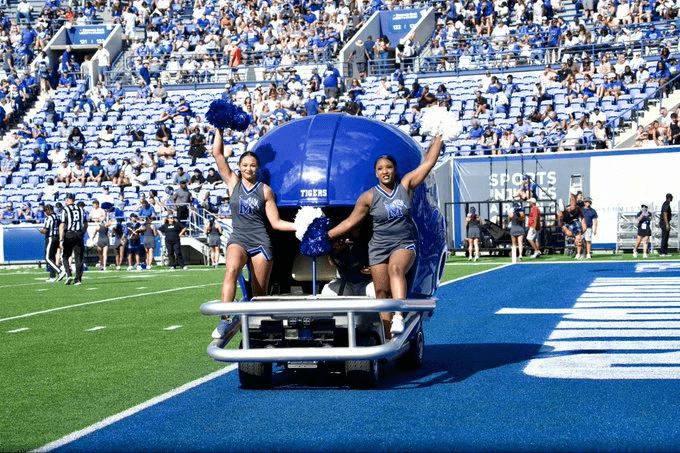
Then comes culture, the elusive ingredient separating good teams from great ones. Huff builds culture through ownership. Leadership isn’t granted; it’s earned. Standards aren’t requested; they’re expected. Competition isn’t occasional; it’s constant. Players challenge each other. Coaches challenge players. The environment becomes self‑policing, self‑motivating, and self‑driving. A culture built on accountability becomes a force multiplier, especially in tough games and tense moments.
Momentum also plays a role. With stadium renovations underway and fan energy rising, the Liberty Bowl is evolving into a modern, hostile, electric home environment. Huff wants opponents to feel pressure from the moment they step off the bus. Loud, organized, passionate crowds win games. Huff treats home‑field advantage as a weapon, and with modern upgrades syncing with rising expectations, Memphis is positioned to create a true fortress.
Finally, adaptability ties everything together. Huff doesn’t coach rigid systems. He builds flexible structures. Against speed teams, Memphis will grind. Against power teams, Memphis will exploit space. Against tempo teams, Memphis will control possession. Closing the gap means winning with multiple identities, not just one.

At the end of the day, Huff’s blueprint is simple but uncompromising:
Build toughness. Recruit fearlessly. Develop relentlessly. Win the small moments. Dominate physically. Adapt strategically. And never, under any circumstances, concede the idea that Memphis cannot stand toe‑to‑toe with the nation’s best.
The gap exists. Huff sees it clearly.
But with a vision rooted in identity, discipline, and intentionality,
He’s already closing it.