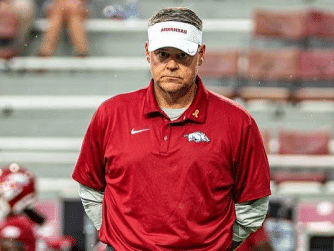

Art Briles is back in college football, and the sport is acting like that is just another line on the transaction wire. It is not. In fact, it is a choice — by one school, by one administration, and by an industry that has spent a decade insisting it “takes these things seriously” while quietly leaving the door cracked open for exactly this.
Art Briles Is Back. What Does That Say About College Football?
If you cover the SEC, the American, Arkansas, Memphis, or any other corner of this sport, you are still living inside the same ecosystem that just told a Division II program, essentially, “Handle this one yourself.”
From Baylor’s Rise And Scandal To A Division II Lifeline
Before everything imploded, Baylor under Briles was exactly the kind of success story college football loves to package and sell. He took a program that had been mostly irrelevant in the Big 12 and turned it into a spread-offense machine. Baylor scored in bunches, developed explosive quarterbacks, and made itself nationally visible. Briles was the kind of coach administrators fantasize about when they convince themselves they can shortcut their way to relevance.
Then came the scandal that now permanently frames his name. Multiple investigations and reports detailed a pattern of sexual assault allegations involving Baylor football players and broader failures by the university in responding to them. Briles was not just coaching a winner. He was the head coach of a program sitting in the middle of one of the ugliest scandals in modern college sports. Baylor fired him in 2016, and at the time, it felt like the sport was drawing a serious line.
Later, the NCAA infractions panel added an odd kind of clarity. Briles was not hit with the neat, traditional kind of NCAA violations people often expect in infractions cases. But he was sharply criticized for failing to meet basic expectations in handling severe and potentially criminal allegations involving players in his program. The technicalities did not erase the larger point. A head coach is not supposed to look away when information like that crosses his desk.
For a while, it seemed like the sport understood that. Briles’ name would surface here and there, but the most visible attempt at a real comeback came in 2022 when Grambling State hired him as offensive coordinator. The backlash was immediate. Alumni, media, and national figures pushed back hard, and the hire collapsed within days when Briles resigned. That brief episode made it seem like the answer had already been given. Maybe he could still orbit the game in informal ways, but the college sideline door looked shut.
Eastern New Mexico Knew Exactly Who It Was Hiring
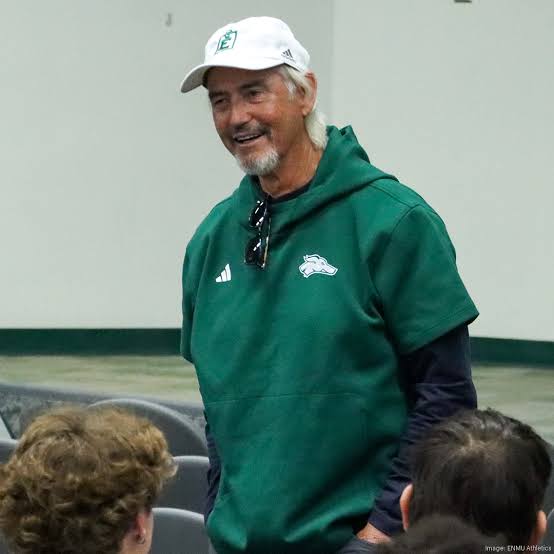
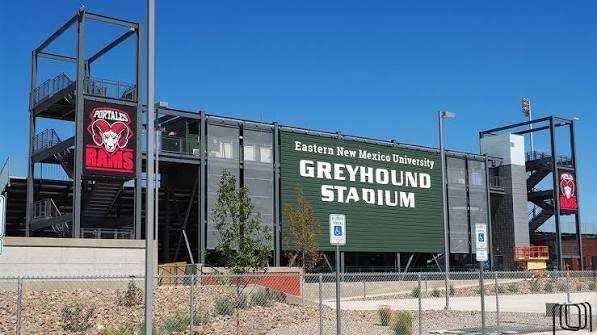
Then Eastern New Mexico opened it.
This is what makes the latest hire different. It is not a rumor, not consulting, not a quiet recommendation chain. It is a college program publicly saying yes to Art Briles as its head coach, nine years after Baylor fired him. Eastern New Mexico is a Division II school, not an SEC brand or American Conference contender. But that distinction is exactly the point, not an excuse.
The school’s decision followed a pattern college football knows well. Administrators talked about second chances, football knowledge, and personal relationships. They talked as if enough time had passed to separate the man from the scandal. They acted like they had found an opening that bigger schools were too scared to touch. And maybe that is exactly what they believed.
What they cannot claim is ignorance. The Baylor record is public. The NCAA’s language exists. The Grambling disaster happened in plain view. No one in 2026 can honestly say they did not know what this hire would mean. Eastern New Mexico weighed the fallout and made the decision anyway.
That is why this is not just a story about one school tucked away from the spotlight. It is a story about a sport that never finished its own accountability conversation. College football never created a real shared standard for what “disqualifying” means in cases like this. It relied instead on pressure, optics, and whether a job was prominent enough to make the backlash unbearable.
Big schools largely decided Briles was not worth the headache. Smaller schools were left to decide if he was worth the risk.
That vacuum matters. When the sport refuses to define its hard line, someone eventually decides to test where the line actually is. Eastern New Mexico just became the latest school to do it, and the rest of college football now gets to decide whether it really believes this is somebody else’s story.

That is the easiest lie the sport tells itself — that scandal shrinks when it goes down a division. It does not. It just becomes easier for people at the top to avoid talking about it.
This first part is about how Briles got back in the game: the Baylor rise, the collapse, the failed reentry points, and the moment Eastern New Mexico decided to be the one that finally said yes. The next step is bigger and uglier: why the sport’s dirtiest baggage so often ends up falling on the campuses with the fewest resources and the least protection.