
UNLV piled up 460 yards and held the ball for 42 minutes, but Memphis came alive late with six sacks, 11 tackles for loss, and the stop that won the game.
Tiger Stop Watch: Memphis Was Getting Cooked—Then the Defense Ended UNLV
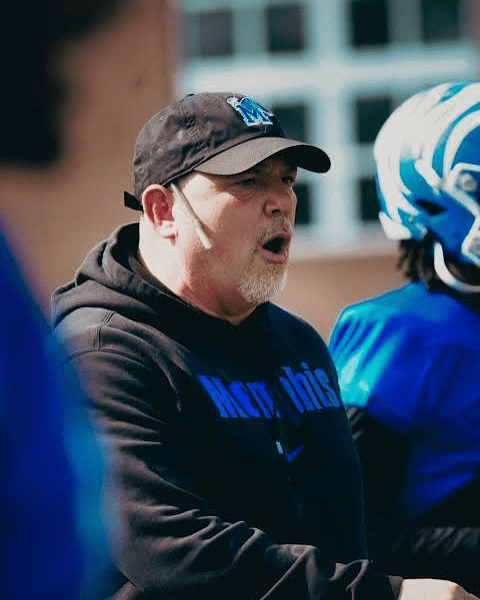
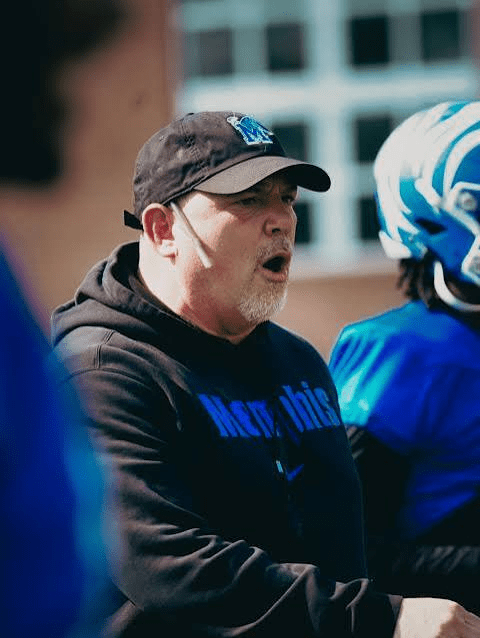
Memphis gave up 460 yards in its first game under defensive coordinator Lance Guidry. That is not a stat to frame. UNLV ran 79 plays, picked up 23 first downs, and possessed the ball for 42:18. Jackson Arnold completed 25 of 37 passes for 291 yards and two touchdowns, while adding 40 rushing yards and a rushing score. For too much of Saturday night, Memphis made the UNLV quarterback look comfortable.
The Tigers had trouble getting off the field. They allowed the Rebels to control the pace. They were repeatedly forced to defend sustained drives, and that is why Memphis entered the fourth quarter still fighting for its life. But then the defense found its teeth. Memphis finished with six sacks and 11 tackles for loss. And on the single biggest defensive snap of the game, the Tigers shut the door.
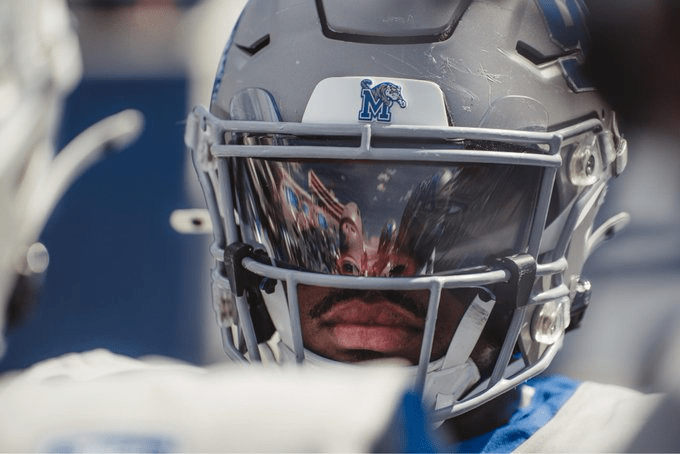
The Sack That Saved Memphis
UNLV had driven to the Memphis 18-yard line with 6:08 left. The Rebels faced fourth-and-7 and trailed by six points. A conversion could have led to a touchdown and the lead. A field goal would have tied the game. Instead, Memphis sacked Arnold. That was the game.
The defense had spent most of the night getting pushed backward. But when UNLV had one last chance to take control, Memphis created pressure, won the snap, and ended the threat. That is why final yardage totals can be misleading. Memphis did not win because it shut UNLV down. It did not. Memphis won because it made havoc plays in moments that mattered most.
Xavier Lewis led the charge with seven tackles, 4.5 tackles for loss and two sacks. The Tigers’ defensive front eventually turned the game from a quarterback rhythm contest into a survival test for Arnold.
Red-zone Defense Won Game
The other reason Memphis won is simple: UNLV wasted too many trips inside scoring territory. The Rebels entered the Memphis red zone four times but scored only twice. They failed twice on fourth down and missed a field goal. Memphis, meanwhile, scored on all three of its red-zone trips.[
That difference is the game. UNLV could move between the 20s. It could hold the ball. It could complete passes and pile up plays. But when the field shortened and the game demanded execution, Memphis made just enough stops. Still, the Tigers cannot pretend this is a healthy defensive performance.
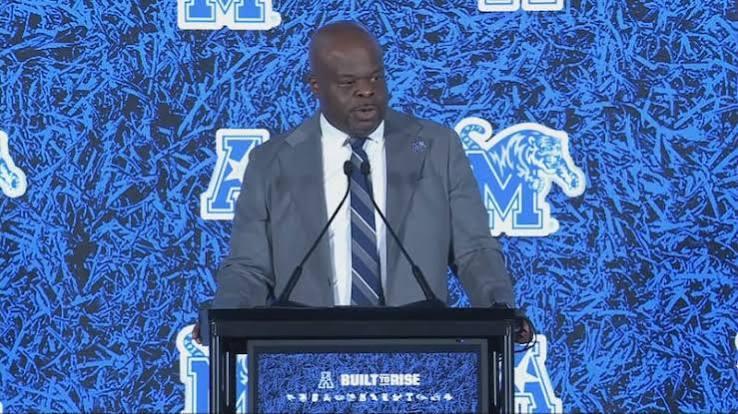
Giving up 460 yards and allowing a quarterback to throw for 291 yards creates a concern that will follow Memphis into the next game. The pass rush arrived late, but the coverage and early-down defense need work immediately. Memphis cannot allow every opponent to turn the game into a 79-play offensive showcase.
Tiger Stop Watch Grade: B-.
The defense was not good enough for most of the night. It allowed too much yardage, too much possession, and too much comfort.
But it delivered six sacks, 11 tackles for loss, two vital red-zone stands, and the fourth-down sack that ended UNLV’s last real chance. Memphis got pushed around. Then, when the game demanded one final punch, the Tigers threw it.