
The Collective Crash: Part 2
Imagine running a multi-million dollar corporation where you do not control the payroll. You cannot hire top talent. You cannot fire underperforming managers without outside permission. You are simply the public face of a board that operates entirely in the shadows. This is not a hypothetical business scenario. This is the exact reality for the modern college athletic director.
The Figurehead AD: How Athletic Directors Lost Control of College Sports
Look at the current situation in Fayetteville. The Arkansas athletic department needs massive facility upgrades to stay relevant in the brutal SEC arms race. But when the athletic director calls the wealthiest boosters, the checkbook is already closed. The donors did not stop spending their money. They just redirected their millions to the NIL collective to buy a transfer portal quarterback instead.
This is not just an Arkansas dilemma. We at 4 Star Sports Media see this drastic power shift happening in every major athletic department across the country. Athletic directors used to be the undisputed kings of the campus. They held the purse strings. They made the legacy-defining hires. Today, they are rapidly becoming highly paid figureheads. The true power no longer sits in the athletic director’s office. It sits in the collective’s boardroom.
Begging for Your Own Boosters’ Money
College sports are fundamentally a zero-sum game of donor capital. There is only so much booster money to go around in any given state. Historically, an athletic director used that money to build shiny new weight rooms, upgrade stadiums, and subsidize non-revenue Olympic sports. The university controlled the flow of cash. The rise of the NIL collective completely shattered that financial model.
Now, athletic directors are locked in a silent, desperate war with their own fanbases. If an AD asks a booster for ten million dollars to build a new training facility, the booster asks a simple question. Will a new building win us ten games next year? The answer is always no. So the booster gives that ten million directly to the collective to secure an elite defensive line instead. The building gets delayed, but the roster gets paid.
This leaves the athletic director stranded on an island. They are expected to maintain world-class facilities and fund dozens of collegiate sports, but their primary revenue stream has been hijacked. This financial squeeze is exactly why we are seeing regional sports networks collapse and Olympic programs getting slashed across the nation. The middle-class money is entirely gone. If a donated dollar does not directly score points on a Saturday, modern boosters simply refuse to spend it.
The Revenue-Sharing Nightmare
If athletic directors are losing sleep now, the impending revenue-sharing era will cause a full-blown nightmare. The NCAA is moving toward a settlement model where schools will pay players directly. Athletic departments will soon be on the hook for over twenty million dollars annually in direct player compensation. But here is the massive catch. The collectives are not going away.
Elite programs will use university money to cover the baseline salary cap, while using the collective as an unregulated dark-money bonus pool. Athletic directors at Power 4 schools will be forced to coordinate quietly with these third-party entities just to survive. Meanwhile, the Group of Five athletic directors face an impossible math problem.
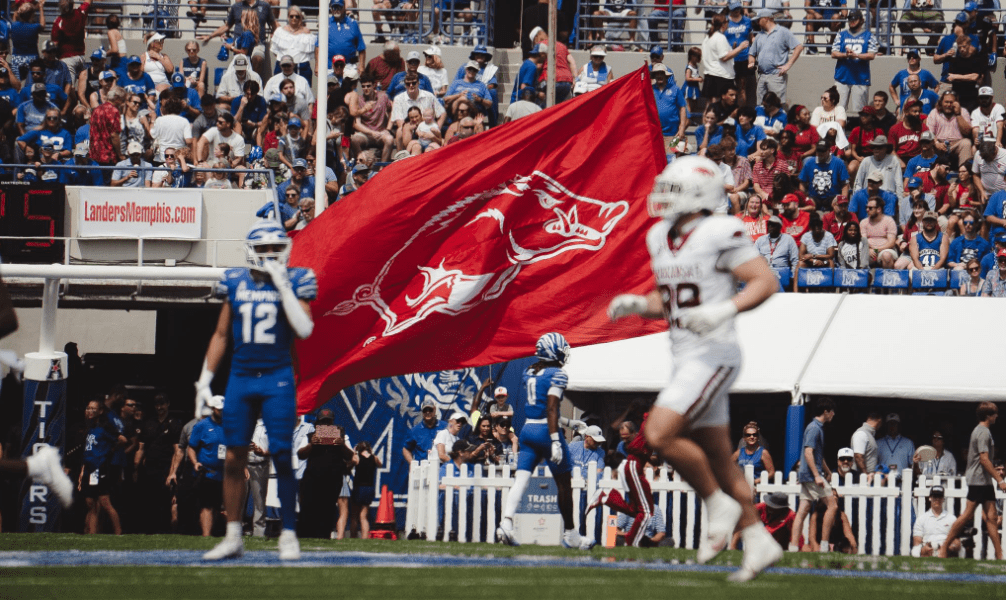
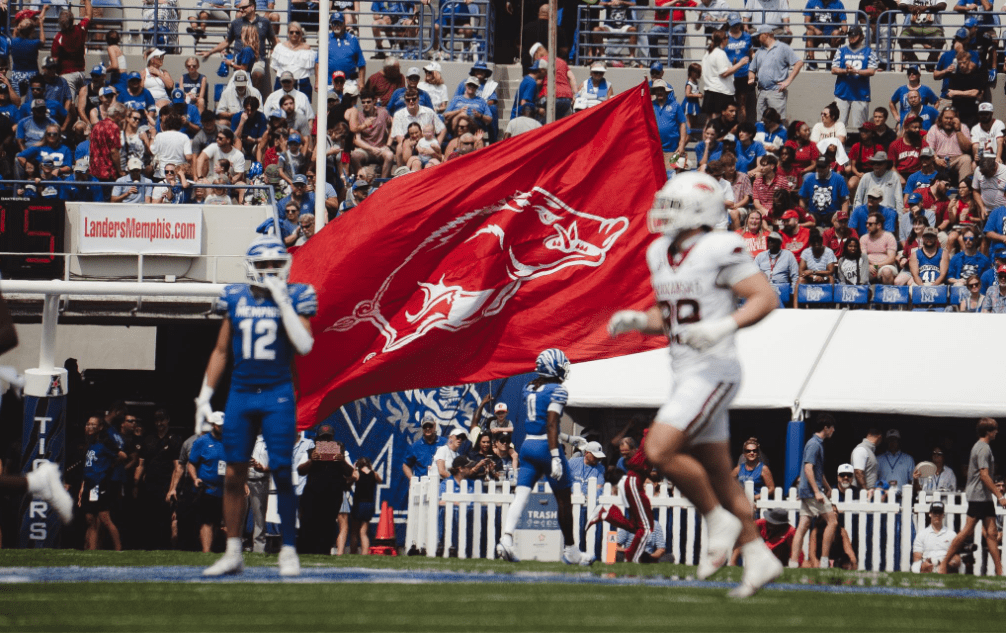
Look at a program like Memphis. The Tigers are fighting tooth and nail to prove they belong in the national playoff conversation. But how does a Memphis athletic director balance a budget when television revenue is shrinking, and the university now has to find millions to pay its athletes? They cannot simply rely on a massive, SEC-level donor base to bail them out. They are being asked to play a high-stakes poker game without any chips. They must field a competitive team while the financial ground crumbles beneath them.
We have reached a breaking point in college athletics. You cannot run a successful sports franchise when the general manager does not control the team’s payroll. Athletic directors are supposed to be the visionaries guiding these massive programs into the future. Instead, they are hostages to a financial system they did not create and cannot control.
If we are honest about the future of the sport, the traditional title of Athletic Director is obsolete. They are now just middlemen in a high-stakes bidding war. When the collective writes the checks, the collective calls the shots.