

Memphis football is entering a new chapter, and like most new chapters in college football, it arrives with equal parts optimism and uncertainty. This will be the first season under Charles Huff, which immediately raises the stakes around identity, expectations, and how quickly the Tigers can settle into something that feels sustainable.

Three Big Questions That Will Define Memphis Football Under Charles Huff
An eight‑win projection sounds respectable on paper, but it also lands Memphis in that dangerous middle ground where a season can either become a strong launch point or a source of frustration depending on how those wins are earned. That is why the big picture around Memphis football is not just about the record. It is about what kind of program Huff is taking over, what kind of team he wants to build, and whether this first season feels like the start of real momentum or simply another reset.
1. What Will Memphis Football Look Like Under Charles Huff?
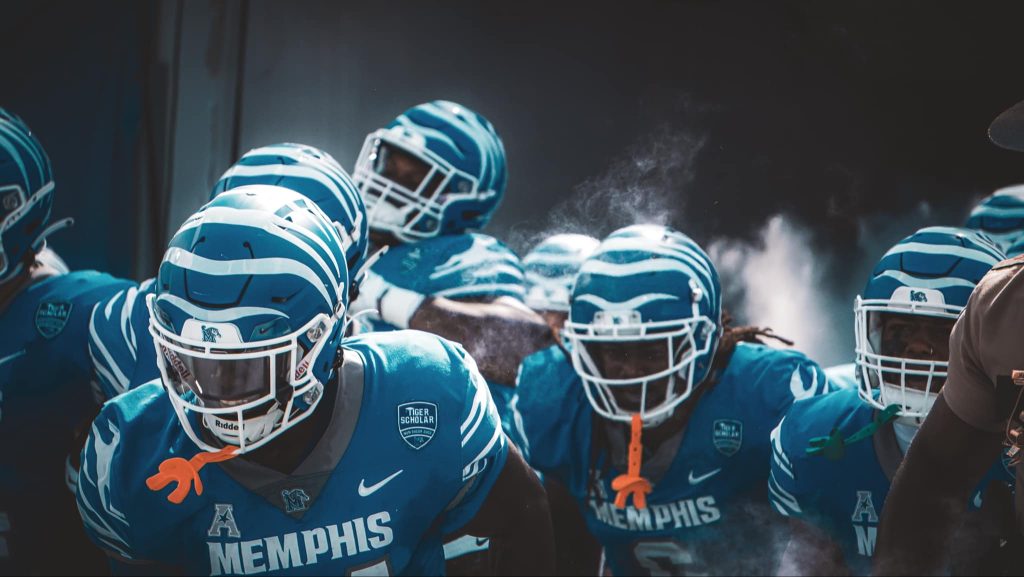
The biggest question heading into Year 1 is the most obvious one: what will a Huff Memphis team actually look like? New coaches always bring fresh language about culture, physicality, accountability, and process, but the real test is whether fans can see the program’s new identity on the field by midseason. Memphis has spent much of the last decade tied to offense, tempo, and the idea that if the Tigers had the ball and a little space, they could make opponents miserable. That image helped make Memphis relevant nationally. It also gave the program a style that people recognized.
Now the Tigers are turning the page, and that makes this first season less about fireworks and more about clarity. Huff does not have to recreate the exact formula that made Memphis dangerous in other eras, but he does need to give the program a football personality. If Memphis wins eight games while still looking uncertain about who it wants to be, the season will feel emptier than the record suggests. But if the Tigers reach that same eight‑win mark while establishing a recognizable style—whether that means a more physical run game, cleaner situational football, or a team that looks more disciplined from week to week—then Year 1 becomes a foundation.
That is the real importance of the projection. Eight wins is enough to keep the fan base engaged, but not enough by itself to answer the larger question. Memphis needs to look like it belongs to Charles Huff by November, not like a roster still caught between eras.
2. Can Memphis Win Eight and Still Raise the Ceiling?
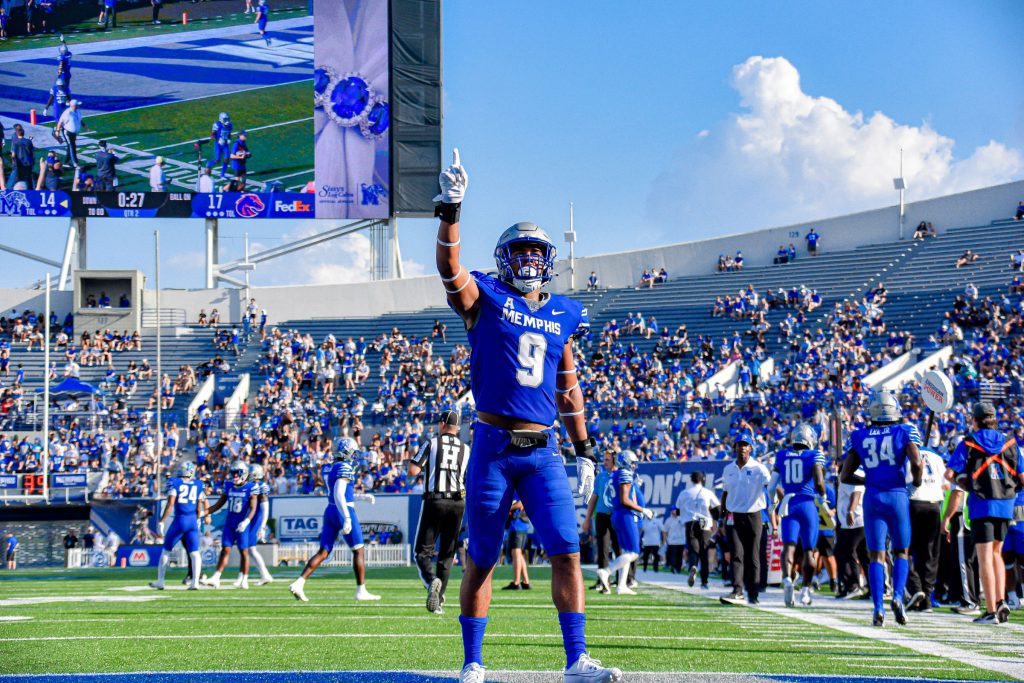
An eight‑win projection is fair, but it is also revealing. It suggests Memphis should be good enough to win more than it loses, stay respectable in league play, and avoid collapse. What it does not automatically suggest is breakthrough. That makes the second question critical: can Memphis hit that projected win total while also proving the ceiling is higher than eight?
This matters because Memphis is not trying to become a program that simply survives coaching changes and turns in decent seasons. The Tigers have already shown they can be more than decent. They have had years where the offense was explosive enough to draw national attention, and the whole program felt like a genuine threat to crash bigger conversations. That is the standard fans remember, and it is the standard any new coach inherits, whether he asks for it or not.
So if Huff goes 8–4, the record alone will not settle the argument. The way Memphis gets there will matter just as much. Did the Tigers beat the teams they were supposed to beat and fold against the better ones? Or did they show signs of becoming a team nobody wants to play? Did they lose close games because of old mistakes, or did they start cleaning up the details that usually separate middle‑tier teams from conference contenders?
That is why Year 1 under Huff carries more weight than a normal transition season. Eight wins can be a floor disguised as a ceiling, or it can be the first visible step toward something bigger. Memphis has to make sure it looks like the second version.
3. Can Charles Huff Stabilize Memphis in a Sport That Keeps Moving?
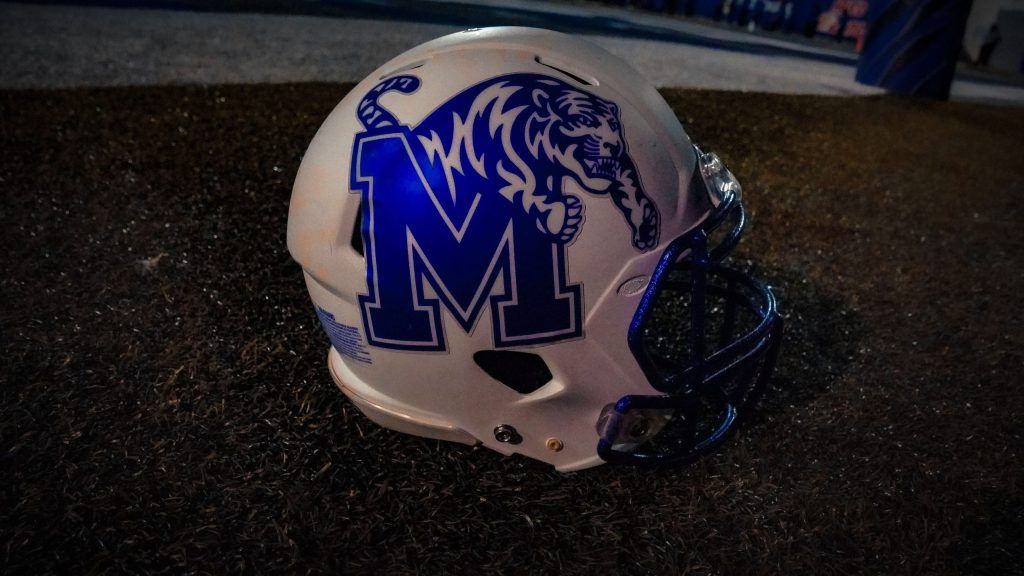
The third question is the widest and, in some ways, the most important: can Huff make Memphis feel stable in a sport that never stops shifting under programs like this one? College football is no longer patient. Rosters turn over faster, conference pecking orders move quicker, and the line between “relevant” and “replaceable” keeps getting thinner for programs outside the biggest brands. Memphis sits in a difficult but interesting space. The city matters. The fan base can matter. The program has a history that deserves respect. But none of that guarantees long‑term traction.
That is why the first season under Huff matters beyond wins and losses. Memphis needs to look organized. It needs to look like a place where players can develop, where coaches know what they are building, and where the program is not one bad month away from another identity crisis. Stability does not mean playing it safe. It means having a plan that can survive the modern sport’s chaos.

If Huff can deliver eight wins while also making Memphis look tougher, cleaner, and more coherent, that is a meaningful first statement. It tells recruits, transfers, and everyone else watching that this program still has weight. It tells fans that the Tigers are not drifting. It tells the broader college football world that Memphis still sees itself as a program with ambition, not one waiting to find out what the next round of changes will do to it.
That is the big picture of this season. Memphis does not need Huff to do everything at once. It does need him to answer the most important questions quickly enough that people can believe in where this is going. If the Tigers hit eight wins and look like a team with a real direction, Year 1 will feel like a success. If they hit eight wins and still feel undefined, the record will not be enough to quiet the bigger questions. In a season built around a new coach, that may be the truest test of all.