
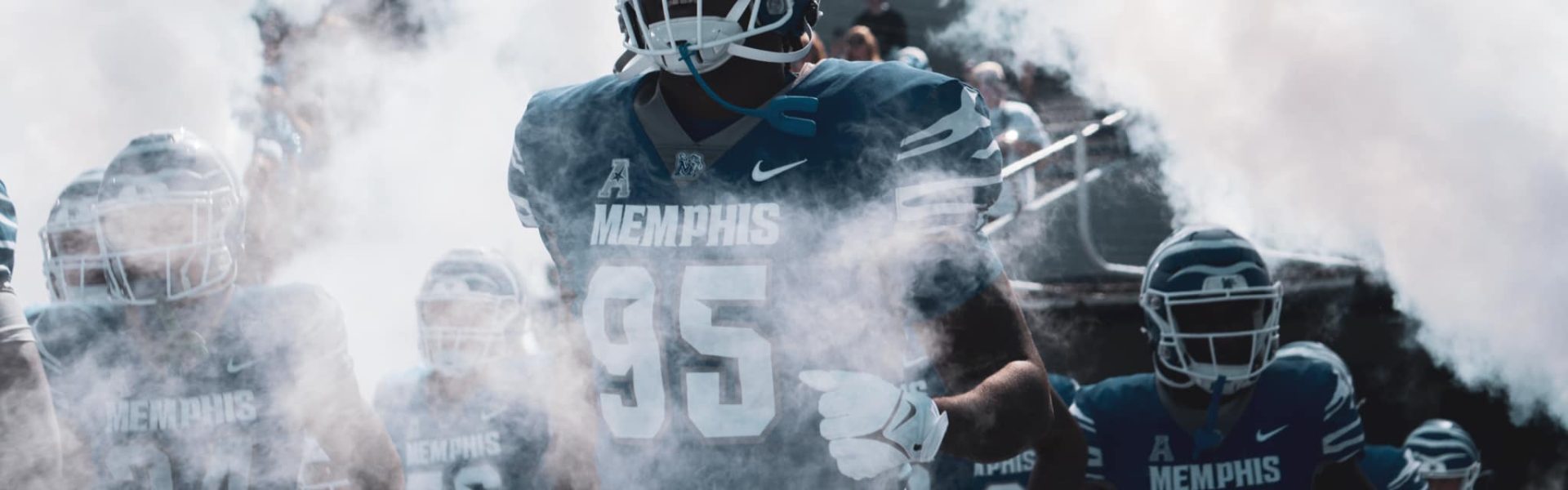
When Charles Huff took over the Memphis football program, he did not inherit a broken program. He inherited one that had been winning, and he needed a staff that could push it from good to difficult to ignore. The first major decision he made was to build that staff in his own image, aggressive, detailed, modern, and aligned with the city and the locker room.
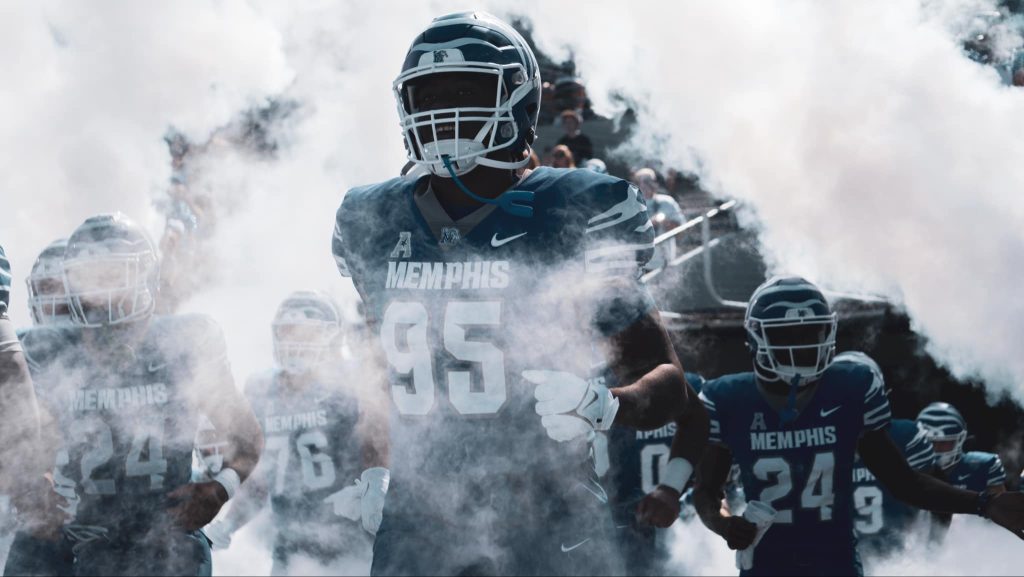
Huff’s Blueprint: How Charles Huff Built His 2026 Memphis Staff
Huff’s blueprint was clear. He wanted a room full of coaches who could run their position groups like head coaches, while he set the overarching standard and tempo. That meant bringing in trusted collaborators from past stops and pairing them with fresh voices who could expand what he already believed in.
On offense, his first major swing was hiring Kevin Decker as offensive coordinator and quarterbacks coach. Decker arrived with a reputation for tempo, formation variety, and a willingness to attack every blade of grass through the air and on the ground. Huff needed someone whose core beliefs matched his: a physical run game married to a flexible, creative passing structure, and Decker fits that profile.
To complement him, Huff tapped David Weeks as co-offensive coordinator and tight ends coach. That title alone tells you how important tight ends will be in this system. Weeks is responsible for turning that room into one of the most versatile units on the roster, blocking in multiple schemes, protecting the quarterback in play action, and becoming a reliable threat in the middle of the field and the red zone. When fans see tight ends moving around the formation at SpringFest 2026, that is Weeks’ influence at work.
The heartbeat of Huff’s culture and run game runs through Telly Lockette, who holds the title of assistant head coach and running backs coach. Huff did not attach the assistant head coach for decoration. Lockette is a primary voice in the building, responsible for standards in meetings and on the practice field, and for a backfield that must be as physical and accountable as any in the conference.
Up front, the offensive line belongs to Andy Kwon, the offensive line coach. Kwon’s job is to translate Huff’s and Decker’s philosophy into five bodies moving with one mind, blending zone and gap concepts, and making communication and toughness non-negotiable traits. On the perimeter, Aaron Dobson, the wide receivers coach and a former NFL receiver, brings professional-level detail to route running, releases, contested catches, and perimeter blocking.
Defensively, Huff’s story already reads like a Memphis anecdote. His original defensive coordinator hire was Jason Semore, who agreed to join him, then left within weeks when Georgia Tech hired him as its defensive coordinator, a move that triggered a buyout and sent money back to Memphis even though Semore never coached a game there. It was an early test of Huff’s adaptability.
His answer was to reunite with someone he already trusted deeply. Huff hired Lance Guidry as defensive coordinator and linebackers coach. Guidry and Huff worked together at Marshall, where Guidry’s defenses were known for attacking fronts, creative pressure, and a relentless edge that matched Huff’s personality. Bringing him to Memphis re-centered the defense around a philosophy Huff has already seen succeed.
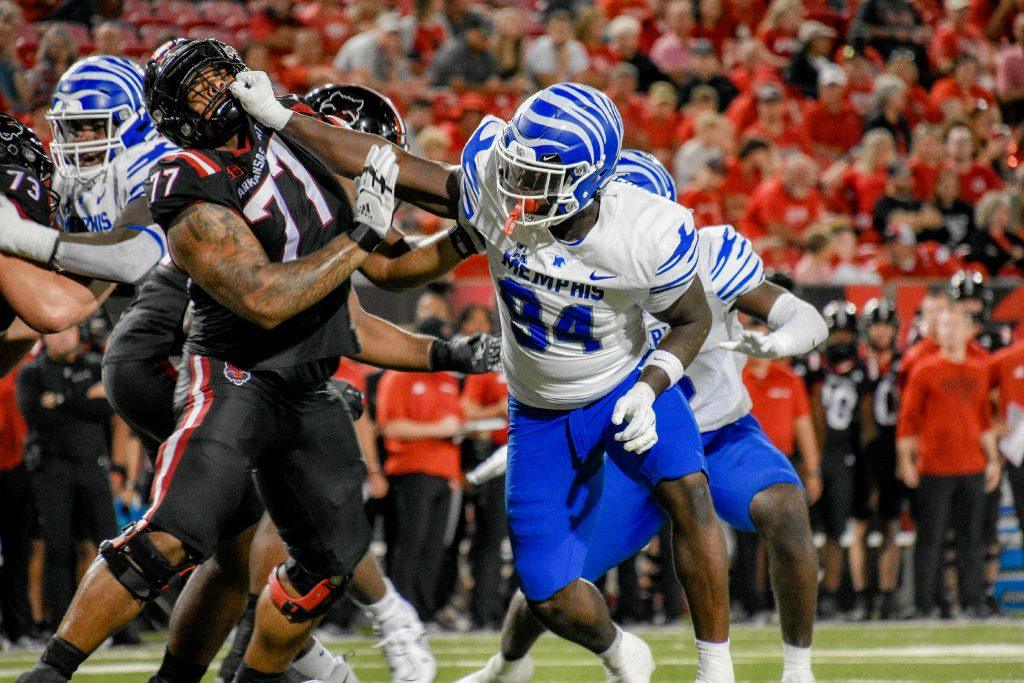
Around Guidry, Huff added Eric Mathies as defensive line coach and Dominique Bowman as defensive backs coach, giving the Tigers a defensive staff that wants to play fast, physical, and aggressive at every level. Mathies is responsible for building a disruptive front that can stop the run and affect the passer. Bowman has to groom corners, safeties, and nickel defenders who can survive in space and tackle with confidence.
On special teams, Huff hired Tim Conner as special teams coordinator, a full-time role with real authority, not a side duty tacked on to another position. Conner’s experience across multiple programs matches Huff’s belief that hidden yardage and game-changing special teams plays are the difference in tight games.
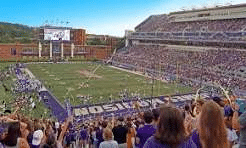
Behind all of this is a modern personnel and support structure and a strength program aligned with Huff’s tempo and toughness. SpringFest 2026 is where fans finally see this operation in motion. The drills, the substitutions, the corrections between snaps, all of it will reflect how Huff chose to build his staff. The roster will change over time. The staff is the backbone, and SpringFest is its first public dress rehearsal.