
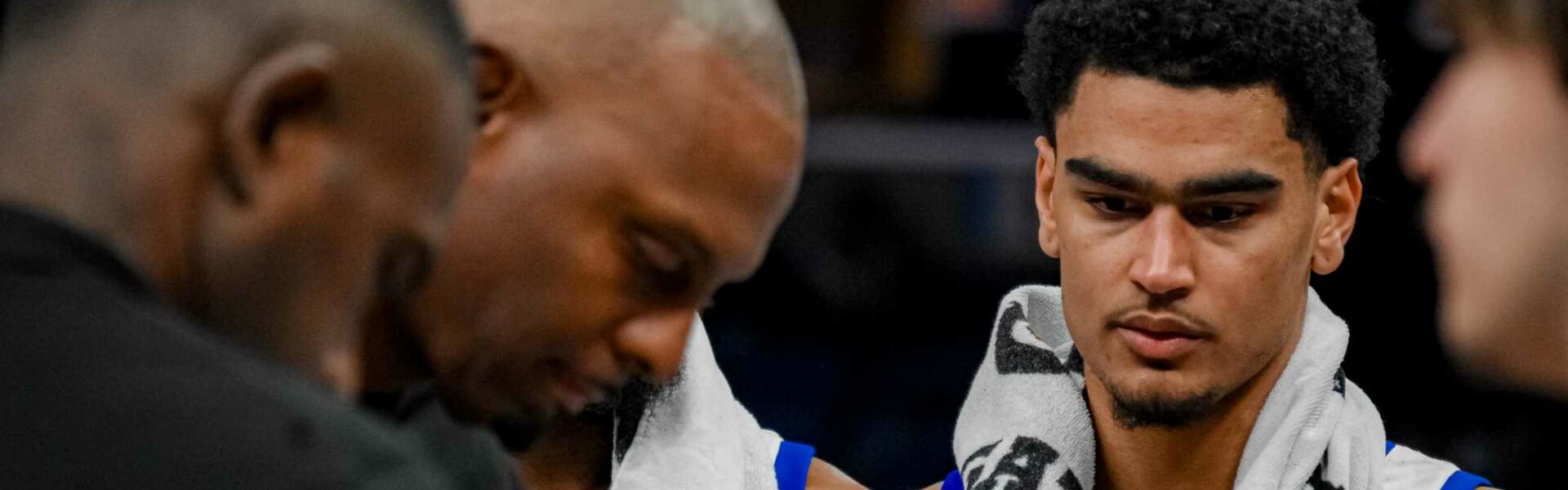
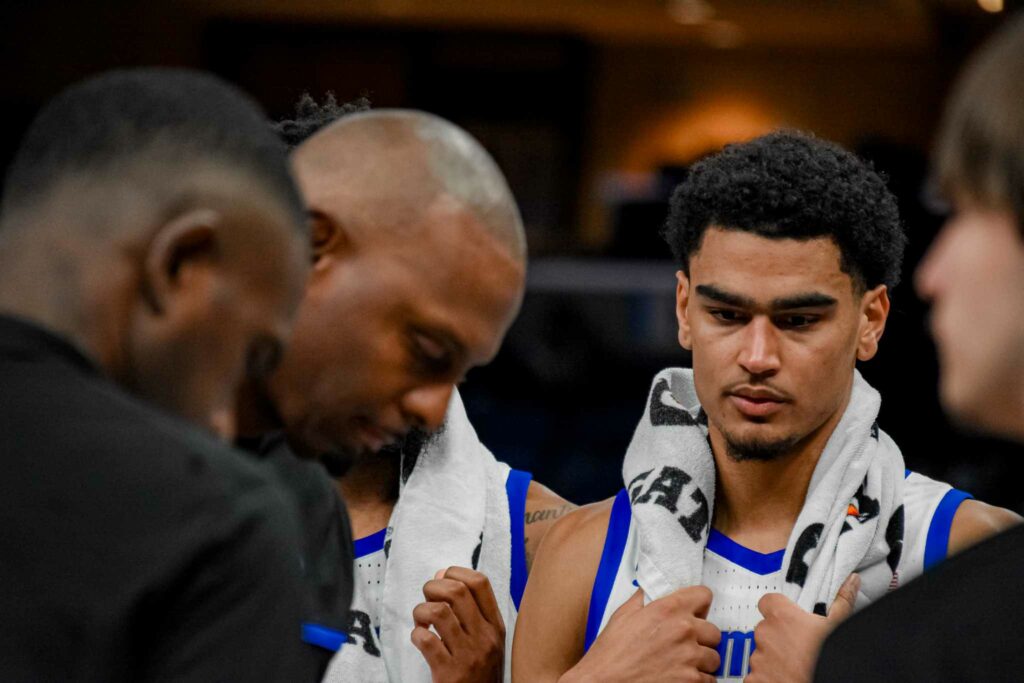
Penny Hardaway’s post-Tulane postgame candor went beyond scoring droughts. Pressed by Wes Pruett of 4 Star Sports Media, the Memphis coach laid bare deeper fractures inside his program. His words on roster buy-in and the need for a general manager now cast a harsh light on a stunning statistic: 16 assistant coaches in eight seasons under Hardaway. That relentless turnover feeds a vicious cycle of instability. Could the GM role he floated actually stop the bleeding, or is it just another layer on a broken foundation?
Eight Years, Sixteen Assistants: A Program Adrift
Hardaway arrived at Memphis in 2018 with an NBA pedigree and local legend status. Excitement was sky-high. Yet from day one, his staff has been a revolving door. Assistants have come and gone at a clip unseen even among Power Five chaos. Count them: from early hires like Kevin Nick to the parade of defensive coordinators, recruiters, and player development gurus who cycle through every spring. Eight seasons in, 16 have punched the clock. Some left for head jobs. Others bolted amid whispers of dysfunction. A few got pushed out when Hardaway reshuffled after tough seasons.
That math is brutal. Two full turnovers of the staff every three years. Recruiting classes suffer when coordinators vanish mid-cycle. Players arrive at a new voice preaching the same system. Continuity evaporates. Hardaway’s own words after Tulane underscore how this churn hits the floor. “Guys are trying to put it on their own shoulders,” he said of the scoring droughts. A stable staff sells buy-in. A carousel breeds the isolation he decried.
This is not abstract. Memphis has lurched from one identity crisis to another. Early years brought NIT bids and buzz. Then, the hope of a Sweet 16 flashes by. Lately, NIT purgatory and AAC flameouts. The Tulane loss was just the latest symptom. Hardaway admitted the roster had “a lot of guys who could come in and score,” yet they never meshed. Why? Partly because no assistant stays long enough to forge that “understanding how to move the basketball.” Recruits sense the instability. Transfers pick programs with deeper benches of proven developers.
Hardaway’s GM Pitch: Savior or Smoke Screen?
Pressed on roster construction, Hardaway made his case for change. “I think just from understanding what GMs do around the country, they help you build a roster. They help you believe in a staff. They help you believe in everything, and the buy-in of the kids who fit your system.” Those lines sound like a direct response to the assistant exodus. A GM could centralize recruiting, vet transfers for “fit,” and shield Hardaway from the daily grind of portal haggling.
Programs like Alabama and Louisville have leaned into this model. Their GMs scour tape, negotiate NIL, and build around the head coach’s vision. Stability follows. Assistants focus on development, not deal-making. At Memphis, a GM might let Hardaway delegate the “individual deals” he bemoaned. “A lot of these young men came in with their own individual deals and didn’t really understand what Memphis basketball was all about,” he said. A front-office type could filter for aggression, ensuring “guys that are not aggressive” never darken the practice gym.
But here’s the rub. Would a GM truly halt the assistant churn? Hardaway’s track record suggests skepticism. Staff turnover predates any roster woes. It ties to his hands-on style, where he micro-manages schemes and evaluations. Assistants often leave feeling underutilized or scapegoated after losses. A GM might handle players, but culture starts at the top. Hardaway’s “I’ve been there before” line about scorers hogging the ball hints at his own NBA ghosts influencing hires. He brings in coordinators who promise grit, then reshuffles when results lag.
Skeptics point to peer programs. Duke added a GM after years of steady staff. Kansas thrives without one, thanks to Bill Self‘s iron grip. Memphis needs more than a title. It needs Hardaway to empower whoever fills the role. Otherwise, the GM becomes another assistant in fancier clothes, out the door by year three.
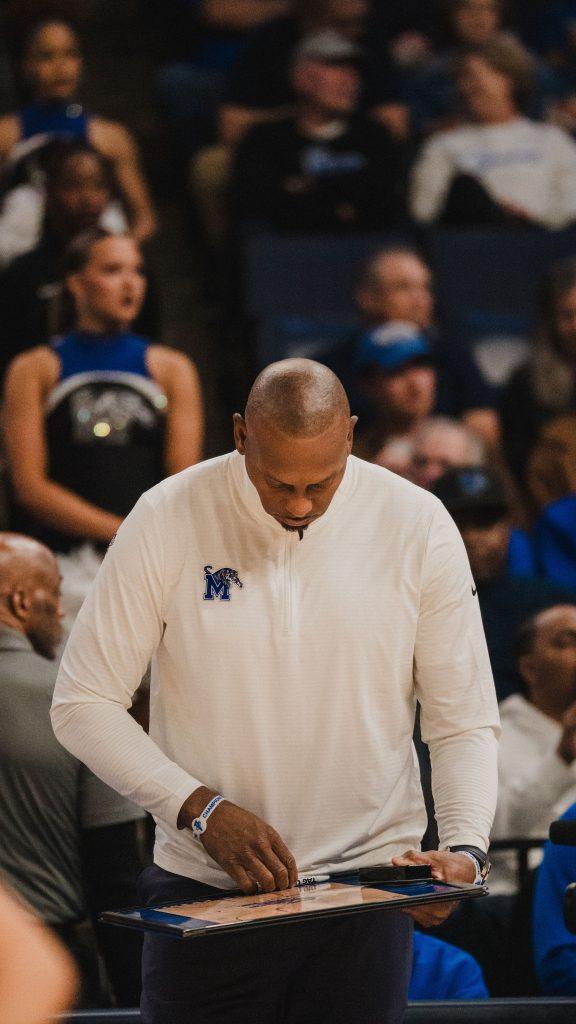
Roster Chaos Meets Staff Instability
Hardaway tied this season to last year’s core. “Waiting on Dain and PJ last year, we tried to get it to work. We felt like we had a good enough roster to win, and we did, but the mindset just wasn’t there.” That “we tried” phrase screams interim fixes. With assistants rotating, there’s no time to instill a mindset. New voices mean new emphases. Players learn “Memphis basketball” reactively, as Hardaway lamented: “They had to learn that when the season came about, and that’s tough.”
The numbers bear it out. Memphis’ portal hauls look flashy, scoring wings, flashy guards, but lack glue. Aggression wanes because no consistent staff member drills it daily. “When you’re known for being an aggressive team, and you get guys that are not aggressive,” Hardaway said. A GM might recruit better fits. But without staff retention, those players arrive at a program teaching mixed messages.
Investors and boosters whisper about accountability. Eight years, millions in NIL, and still no sustained NCAA run. The 16-assistant tally fuels doubt. Each departure costs momentum. Recruiting dips. Transfer bolt. Hardaway’s GM idea could signal reform. Or it could mask deeper issues: a coach slow to delegate, a culture that burns out talent evaluators.
Can One Hire Stop the Madness?
Hardaway’s full answer paints urgency. A GM promises “buy-in of the kids who fit your system.” It dangles stability for a program defined by its opposite. Yet history warns against quick fixes. Assistants will keep turning over unless Hardaway changes how he leads them. The roster will keep misfiring unless the staff sells a unified vision.
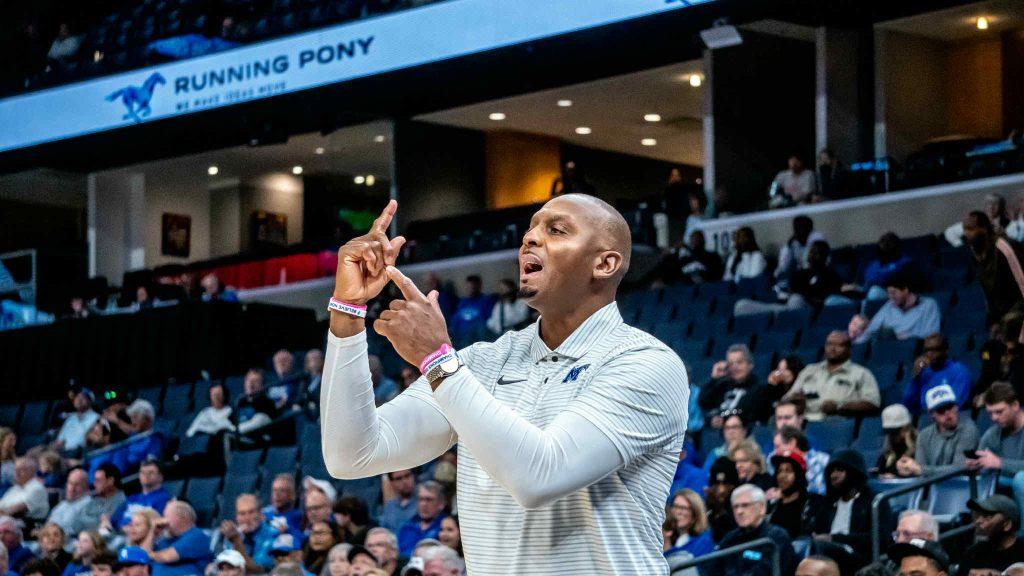
Memphis sits at a fork. Hire the GM, back him with authority, and watch assistants settle. Starve the role, and its 17 assistants by 2027. Hardaway blasted his roster’s lack of extra passes. Now the program needs him to pass the reins. “That doesn’t bode well,” he said of midseason culture clashes. He’s right. For Memphis, the real drought is leadership continuity. A GM might end it. Or it might just spin the carousel faster.