
Jerome Tang did not suddenly become a bad coach. He did not lose the room because he forgot how to teach ball screens. What he lost was something far more fragile in 2026: the benefit of context.
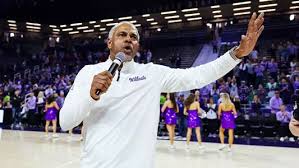
Kansas State’s decision to cut ties with Tang is not just about a rough season. It is about a sport that now treats one viral moment as more important than an entire body of work. That should rattle everyone who cares about college basketball’s future.
From Program Savior To Easy Scapegoat
Not long ago, Tang was the smiling face of a Kansas State revival. He brought juice back to Manhattan. He made the Wildcats fun again.
He walked into a job many considered a graveyard and turned it into a national story almost overnight. He did it with energy, joy, and a willingness to open his program to fans and media.
Now, in the space of one season and one postgame blowtorch, he is painted as the problem. The same guy praised for “authenticity” is now being shoved out the door for taking that authenticity too far in front of a microphone. The narrative flipped fast. Too fast.
And that flip says as much about us as it does about him. We love the rebuild story, the fresh face, the new energy — right up until the shine wears off and the losses pile up. Then the same traits once sold as assets become liabilities on the way out the door.
The Season That Broke The Relationship
Let’s be honest. The record matters. When you are buried in the standings, everything you do gets judged harsher. No one gets sympathy tours in a power conference.
In a loaded league, Kansas State fell hard. They were non‑competitive too often. Home games stopped feeling like events and started feeling like indictments. That will always turn up the heat on a head coach.
But there is a difference between “this is not working” and “this is unforgivable.” Tang’s team underperformed. That is fair to say. It is also fair to say the roster was a mess of portal swings, NIL bets, and chemistry issues that never quite clicked. Those decisions are never on one man alone.
Behind the scenes, everyone wants blunt honesty about the roster. Who stays. Who goes. Who can you win with? That is the job now. The same bluntness that is demanded in private became career‑ending in public, and that double standard is where the disrespect starts to show.
The Rant, The Clip, And The Pile‑On
The turning point was not a play. It was a quote. After another embarrassing loss, Tang lit into his team. He questioned the effort. He questioned pride. He questioned whether some guys deserved to be there at all.
Was it harsh? Yes. Was it emotional? Absolutely. Was it something most coaches have said behind closed doors after a team quit on a home floor? Also yes. The only real difference this time was that every word arrived live and unfiltered.
The problem is simple. The camera was rolling. The clip hit social feeds in minutes. It bounced from timelines to talk shows. Context vanished. Nuance died on impact. People who had not watched Kansas State all year suddenly had a loud opinion on a 30‑second video.
From there, the conversation stopped being about how broken the product on the floor had become. It became a referendum on whether a coach can challenge his players in public. The answer from the loudest corners was clear: not like that, not in this era, not if it makes anyone online uncomfortable.
“For Cause” Or For Convenience?
Firing a coach “for cause” is supposed to be rare. It is supposed to mean a clear, bright‑line violation. Something beyond “we are tired of losing, and the fan base is restless.”
Instead, what we saw was something far more cynical. One emotional press conference became the lever to move a massive buyout. One outburst turned into a financial strategy. The language meant to protect a school from true scandal became a shortcut out of a contract.
You do not have to defend every word Tang used to see the bigger move. The school found an exit ramp it liked. It grabbed it. The rant did not just offend sensibilities. It offered a legal angle, a budget solution, and a way to say, “This is about values,” with a straight face.
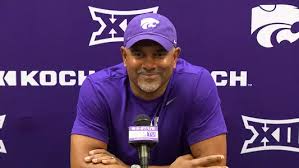
That is the part that feels like deep disrespect. Not just to Tang. To the whole idea of partnership between a coach and a university. If one bad night can rewrite the terms of that partnership, every contract in this sport just got a little more fragile.
The New Math Of Coaching Risk
Make no mistake. Every coach in America just felt the ground shift. The new equation is brutal and simple. You are no longer just managing your team. You are managing your own potential viral moment.
You are expected to embrace the portal. You are expected to live in the NIL mud. You are expected to re‑recruit your own roster every spring. You are expected to smile, sell hope, and never let the cracks show. That is the job description now.
Slip on any of those fronts, and the same people who pushed you to be “real” will cite that reality as a reason to move on. Show frustration the wrong way, in the wrong moment, and it is not just a PR issue anymore. It is a contract issue.
For athletic directors, this is a tempting blueprint. Let the season sour. Wait for one bad quote. Call it “conduct unbecoming.” Suddenly, a huge buyout turns into a much smaller fight. The spreadsheet smiles. Everyone else should shudder.
Players Caught In The Crossfire
This is not just about a coach and a balance sheet. Players get used as shields in this story, even when the narrative says it is about protecting them.
On the surface, it looks like protection. A coach went too hard at his guys, and leadership stepped in. That is the clean, easy spin. It plays well in a world that loves to say it cares about “student‑athletes first.”
But look deeper. These same players are part of a churn that administrators helped create. They were recruited with NIL promises and instant‑impact expectations. When it all crumbled, they became talking points in a bigger battle over money, power, and image.
They will move on to new programs. Some will thrive. Some will vanish into the portal fog. The grown‑ups in suits will stay, with one less big contract on the books and one more cautionary tale to wave around the next time a coach gets “too honest.”
What The Rest Of The Sport Should Learn
This is not a Kansas State story. This is a college basketball story. It is what happens when viral moments, legal language, and NIL money all collide in the same lane.
If this stands as the new model, no one is safe. Not the coach with a one‑seed last year. Not the coach who poured decades into building a culture. All it takes is one bad year, one bad night, and one bad clip. That is the bar now.
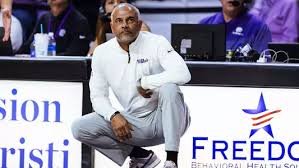
The message is loud. You are not judged on your whole body of work. You are judged on the worst thing you say when the camera is hot and the season is burning. That is not accountability. It is opportunism.
Jerome Tang will coach again. He is too good, too wired for the job, to disappear. But the way this ended should not fade as just another news cycle. This should live as a flashing warning sign for everyone in the sport.
Because if a coach who helped resurrect a program can be pushed out this fast, this publicly, and this conveniently, then the disrespect is not limited to one man. It is baked into the system. And the next target is already out there, one quote away from learning the same hard lesson.