
For more than a decade, RAM was the ghost of NASCAR, a name fans kept chanting while the brand stayed parked in the shadows. That drought ends in 2026, as RAM storms back into big‑time stock car racing with an all‑in return to the NASCAR Craftsman Truck Series and a clear message to Detroit rivals: we are here to take trophies, not just fill out the field.
RAM Ends A Long NASCAR Exile
RAM’s return marks the first time a Stellantis brand has competed in a NASCAR national series since Dodge exited after the 2012 season. Its comeback immediately restores a fourth manufacturer to the Truck Series, joining Chevrolet, Ford, and Toyota on the grid and injecting fresh energy into a championship that had quietly settled into a three‑brand rhythm.
The decision to re‑enter wasn’t made on a whim or for a marketing splash. NASCAR has been actively courting additional manufacturers, and RAM gives the sanctioning body exactly what it wants: a recognizable American truck badge, a passionate fanbase, and a performance‑heavy history. For RAM, it’s a chance to reclaim relevance in a space it once helped define and reconnect with fans who never stopped asking when the brand would finally return.
The symbolism matters. When those RAM trucks roll through the tunnel and into the garage, it closes a 15‑year loop and signals that the manufacturer wars in NASCAR aren’t just back on—they are escalating.
Why Trucks, Why Now
If the blueprint looks familiar, it should. Toyota started its NASCAR journey in the Truck Series, built a technical base, then climbed the ladder to Cup. RAM is following a similar path, and Trucks is the natural on‑ramp. This is a series built around pickups, and RAM’s identity is rooted in the same metal fans drive off the lot.
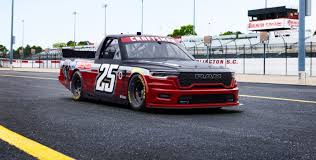
Trucks also offer a smarter entry point from a cost and complexity standpoint. With spec engines and tightly controlled technical rules, the Truck Series strips away some of the most expensive development hurdles that come with tackling the Cup Series right out of the gate. That allows RAM to focus on aero, reliability, and race‑team relationships while still showcasing a Ram 1500‑inspired body that fans can recognize instantly on TV.
Timing is everything, too. As Stellantis resets its performance strategy in North America, returning RAM to NASCAR lines up perfectly with a broader push to re‑engage enthusiasts who felt burned by the brand’s retreat from traditional V8 muscle. NASCAR Trucks give RAM a national stage every week to prove it still knows how to build fast, loud, winning race vehicles.
Kaulig, Drivers, And A Bold Factory Play
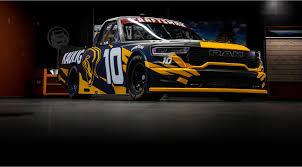
RAM isn’t dipping its toes in the water—it’s jumping in with a cannonball. The program centers around a factory‑backed partnership with Kaulig Racing, a team that has built a reputation for punching above its weight and embracing unconventional opportunities. Kaulig will field a multi‑truck RAM lineup in 2026, instantly giving the brand a visible, competitive footprint rather than a slow, one‑off rollout.
The roster reflects that ambition. Established young talents and rising names are expected to anchor the full‑time effort, with additional entries earmarked for special programs that will rotate drivers and spotlight new faces. That blend of stability and experimentation gives RAM a chance to chase wins immediately while also using the truck program as a pipeline for future stars.
At the corporate level, the fingerprints of performance‑minded leadership are all over this move. The same mentality that gave the world wild machines like the Hellcat and Demon now has a new playground in NASCAR. This return isn’t just about badge placement on a grille; it’s about rebuilding a performance story that fans actually believe.
Is A Cup Return Next?
The question every fan is asking is simple: does RAM in Trucks mean Dodge or RAM in the Cup Series is next? Officially, there is no green light yet, no approved Cup body, and no formal engine program on the books. Unofficially, the door has never been more open.
History says a Truck foothold can become a Cup powerhouse. Dodge used exactly that path before, turning Truck and Xfinity roots into a Cup championship run in the 2000s. With modern simulation, shared components, and a Next Gen platform designed to be more manufacturer‑friendly, the climb from Trucks to Cup is steeper than the press releases admit, but far more realistic than it was a generation ago.

For now, RAM doesn’t need a Cup announcement to shake the table. Its Truck Series comeback alone changes the competitive balance, reignites old loyalties, and gives fans a fresh manufacturer to rally around on Friday and Saturday nights. The message is clear: after years of watching from the couch, RAM is back in the NASCAR fight—and the rest of the garage just got a new threat to worry about.