

A New Kind Of Winter Games

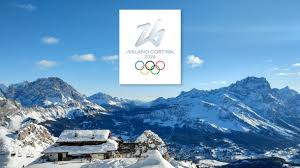
The first thing that hits you about the 2026 Winter Olympics isn’t a scoreboard or a medal count. It’s the setting. These Games aren’t tucked into one bubble city; they’re stretched across northern Italy, from the fashion streets of Milan to the steep faces and narrow valleys of Cortina d’Ampezzo and the Dolomites. It feels less like one event in one place and more like a traveling winter roadshow that just happens to decide world titles along the way.
Two Host Cities, Two Different Worlds
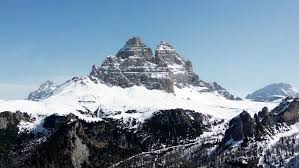
That split personality is the backdrop for everything. Milan handles the ice—hockey, figure skating, short track—inside sleek, modern buildings that wouldn’t look out of place on a EuroLeague basketball night. Hours away, in Cortina and the surrounding valleys, the Games feel completely different. There, the venues are carved into the mountains, some with a history that goes back to the 1956 Winter Games. You see wooden chalets, tight mountain roads, and fog rolling through before sunrise. It’s an old‑school winter sport wrapped around a very modern Olympic schedule.
And that schedule is packed. Nearly 3,000 athletes are here, competing across more than 100 medal events. The days start early on the mountain, where downhill training runs and cross‑country ski warm‑ups happen before most fans have had their first coffee. By the time night hits in Italy, the TV windows in the United States are just opening, and you get the prime‑time stuff—figure skating, freestyle, snowboarding, hockey—fired straight into living rooms.
The Hidden Grind No One Sees
The part that hasn’t been talked about enough is how hard these logistics are on the athletes. This is not a compact Winter Games where everyone sleeps in one village and hops on a short shuttle. If you’re in a mountain sport, you’re dealing with long bus rides, changing weather, altitude, and the grind of a long stay in a small valley. If you’re in Milan, your world is arenas, traffic, and bright lights. It creates two very different Olympic experiences, and you can feel that in the tone of the interviews: the city athletes talk about energy and noise, the mountain athletes talk about focus and survival.
Team USA’s Risky New Identity
Into that comes Team USA, trying to balance a realistic medal picture with the usual expectations. Norway, as always, is treating this like its private playground, building an early lead and making everyone else chase. That’s not new. What is new is how the United States seems to be leaning into a more targeted approach. Instead of going shot‑for‑shot with the traditional winter powers in every endurance event, the American strategy is clearly built around a handful of sports that move the needle back home.
Figure skating is still the main stage. Ilia Malinin, with his ridiculous technical content and “anything can happen” vibe, has become the guy casual fans lock onto. When he hits, the building reacts. You can hear it in the crowd noise, see it in the way cameras linger on his face at the boards. For Team USA, a men’s singles gold here would mean more in the public imagination than a quiet stack of medals in less‑visible events.
Where The Quiet Pressure Lives
But if you’re only staring at the big stage, you’ll miss some of the other threads. Curling has become a fascinating little window into American sports culture. Ten years ago, it was a punch line. Now, when Team USA steps onto the sheet in Cortina, you can feel how seriously both they and the fans are taking it. The arena is small, the sound rattles around the roof, and every shot in the late ends feels like a possession in an NBA playoff game. It’s still quirky. It’s also real pressure.
Then there’s the endurance world: biathlon and cross‑country, the sports Americans usually remember only when someone does something historic. For these athletes, Milano‑Cortina is a test of depth and decision‑making as much as it is of lungs and legs. Coaches have to pick which relays to prioritize, which athletes to double up, and which young skier gets thrown into a big race on short rest. One wrong call can quietly cost a medal that never shows up on highlight shows.
The Brutal New Event Everyone Will Remember
A sneaky‑big storyline is the arrival of ski mountaineering as a full Olympic sport. On paper, it’s easy to shrug. In reality, it might be one of the most honest tests at these Games. Athletes grind uphill under their own power, flip transitions, and bomb back down technical descents at speed. There’s nowhere to hide. If you misjudge the climb, your legs go. If you miss a transition, you hand away seconds. It’s the kind of event that could create new stars from countries most fans don’t associate with winter dominance, and you can bet national federations are watching closely.
The Questions That Could Define These Games
So what should you watch for as these Games roll on?
First, how much does geography matter? If the travel and altitude start to take a toll, you may see more surprise podiums and more flat performances from big names who’ve been pulled in too many directions. Second, how Team USA manages the tension between “big TV moments” and the quiet medal grind. A gold in a marquee event can shape the narrative of an entire Olympics, even if the final medal count says the Americans finished behind the usual suspects.
Finally, pay attention to the sports and venues that feel like experiments. Maybe it’s a new endurance race running at twilight in the Italian mountains. Maybe it’s a packed house in a smaller arena, turning a niche sport into a must‑see ticket. Those are the test balloons for where the Winter Games go next.
Milano‑Cortina doesn’t look or feel like every Winter Olympics you’ve seen—and that might be the point. Between the split host cities, the new disciplines, and a more focused American game plan, these two weeks in Italy aren’t just handing out medals. They’re quietly drawing the outline of what the next era of the Winter Games is going to be, and Team USA is betting big that this new map is one it can eventually own.