
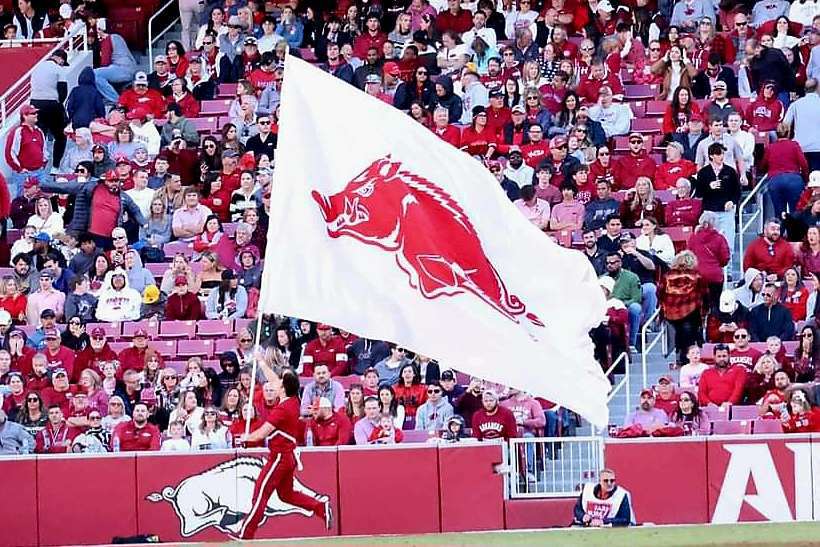

The story in Mobile for Arkansas isn’t whether the Razorbacks showed up; it’s whether they can stay. Day One put their names in notebooks. Day Two will decide if those notes turn into underlines, arrows, and real momentum on draft boards.
Taylen Green walks into Wednesday with an arrow pointing up and a very simple assignment: make Tuesday look like the baseline, not the peak. He flashed what you want to see in this setting — a live arm, the frame to take hits, and stretches where the ball came out on time and on rhythm. That’s how you get people talking. How you keep them talking is with repetition. Today is about handling pressure when the defensive front has already seen his cadence, his launch points, and his favorite throws. It is about full‑field reads when the first picture he sees is not the one he gets after the snap. If Green’s feet stay calm, his base stays the same, and he keeps getting the ball out on time against tighter coverage, the narrative shifts from “traits guy” to “functioning quarterback.” That’s where jobs get won.
Mike Washington Jr. carries the same direction on his arrow, but a different kind of test in front of him. Backs get noticed on Day One for juice — burst, balance, the ability to finish runs. Washington checked those boxes. Day Two, though, is where the third‑down value starts to separate players in the eyes of scouts. That means recognizing blitzes, holding up in pass protection against linebackers trying to make a statement, and showing more than one or two route looks. If Washington sorts out pressure, stones a couple of aggressive rushers in protection, and then leaks out late as a reliable check‑down, he starts putting together the profile of a back an NFL staff can trust in money situations. Flash is loud; trust is what keeps you in the league.
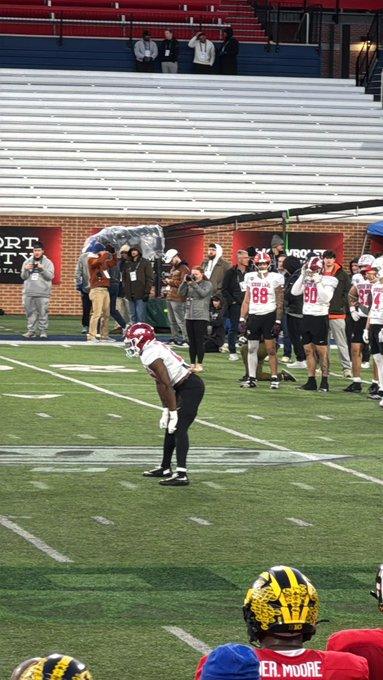
Up front, Arkansas’s offensive and defensive linemen are staring at the most unforgiving part of this week: everybody now has tape on them. Fernando Carmona graded out “steady” on opening day, which, for a lineman in this kind of chaos, is actually a compliment. The task now is to stay steady as the difficulty increases. On Wednesday, he will see more deliberate power rushes, more change‑ups with quickness, and more rushers who now know exactly where his hands land and how his feet set. If he anchors again versus power, keeps his chest clean against inside counters, and shows just a bit more range in his pass sets, “steady” starts reading closer to “dependable.” There’s a market for that.
Cameron Ball, meanwhile, is trying to turn effort into production that jumps out on neutral observers’ notes. Coaches love a motor, and his refused to dip late in the first practice. Today, he has to match that with more consistent wins at the point of attack. That means taking on double teams with low pads and violent hands, not simply existing inside them. It means pushing the pocket enough on pass downs to move quarterbacks off their spot, even if he’s not the one recording the sack. Mobile is a brutal environment for defensive tackles who only show up in flashes. If Ball looks like the same player in the final team period as he does in the first, his arrow will be more than a courtesy nod.

Linebacker Xavian Sorey Jr. is sitting in that intriguing “Up/Question” lane that always gets extra eyes. The traits are obvious — range, length, and the kind of pop you feel when he arrives at the ball. The question is whether processing speed has caught up now that installs are deeper and offenses are manipulating spacing on purpose. On Wednesday, he needs to show cleaner communication before the snap and greater confidence in his drops afterward. That means understanding route distributions, trusting his keys, and not getting trapped between zones with no responsibility. If Sorey looks a half‑beat quicker mentally, not just physically, he can move quickly from “interesting” to “ascending.”
Then there’s Julian Neal, whose arrow is the only one pointing down and who probably had the longest night of any Razorback in town. Corners live on an island at the Senior Bowl. When you lose, it’s on display for every scout in the stands, and every camera pointed at the drills. The good news for Neal is that the league is almost as interested in how a corner responds to a bad day as it is in why the day went bad. Today is about clean, confident footwork at the line, about getting his hands on receivers without grabbing, and about finishing through the catch point instead of panic‑reacting with his back to the ball. If he comes out and competes with a short memory and sharper technique, he can flip his own story in 90 minutes.
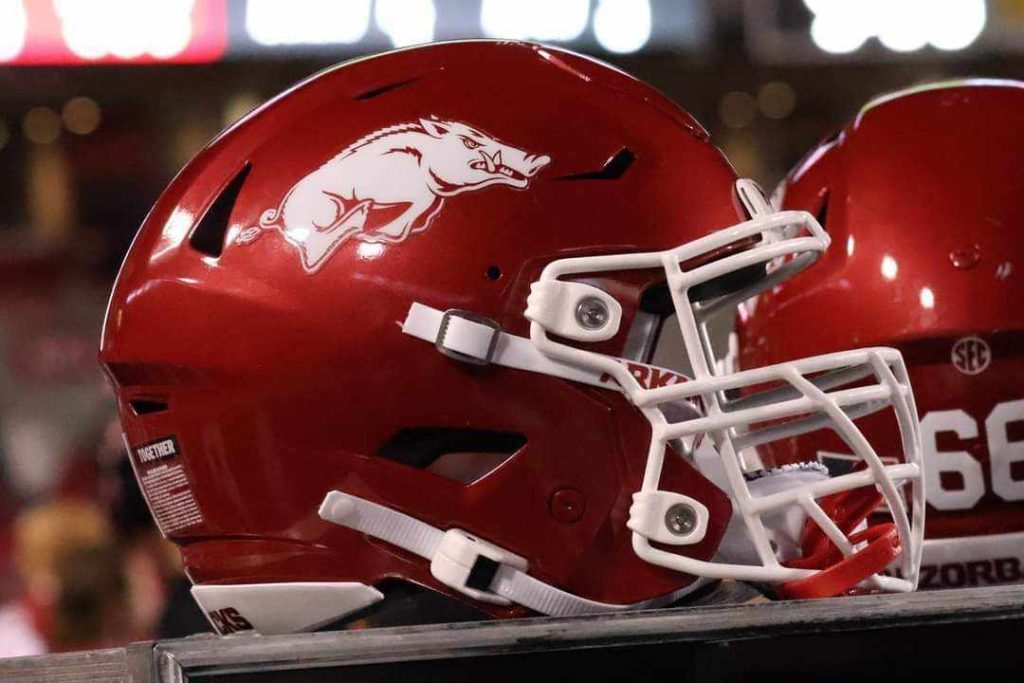
Arkansas didn’t need Day One to prove it belonged here; the roster did that when the invitations went out. What Day One did was frame the conversation. The quarterback and tailback have arrows pointing the right way. The bigs inside looked like they could hang. The linebacker flashed enough to make people want to watch him again. The corner knows he has something to fix. Day Two is when this group finds out if that early snapshot becomes the first page of a longer story or just a good picture that never quite turned into a full album.
The question of the week for this Razorbacks contingent is as direct as it gets: can they turn a strong start into a standard? Wednesday morning in Mobile, the answer starts writing itself.

4 Star Sports Media is proud to partner with the Chris Hope Foundation for all written coverage of the 2026 Panini Senior Bowl.
This collaboration supports CHF’s ongoing mission to provide hope and assistance to families facing serious illness, while spotlighting the nation’s top college football talent in Mobile, Alabama. Together, we’re uniting purpose and passion—celebrating excellence both on and off the field throughout Senior Bowl week.