
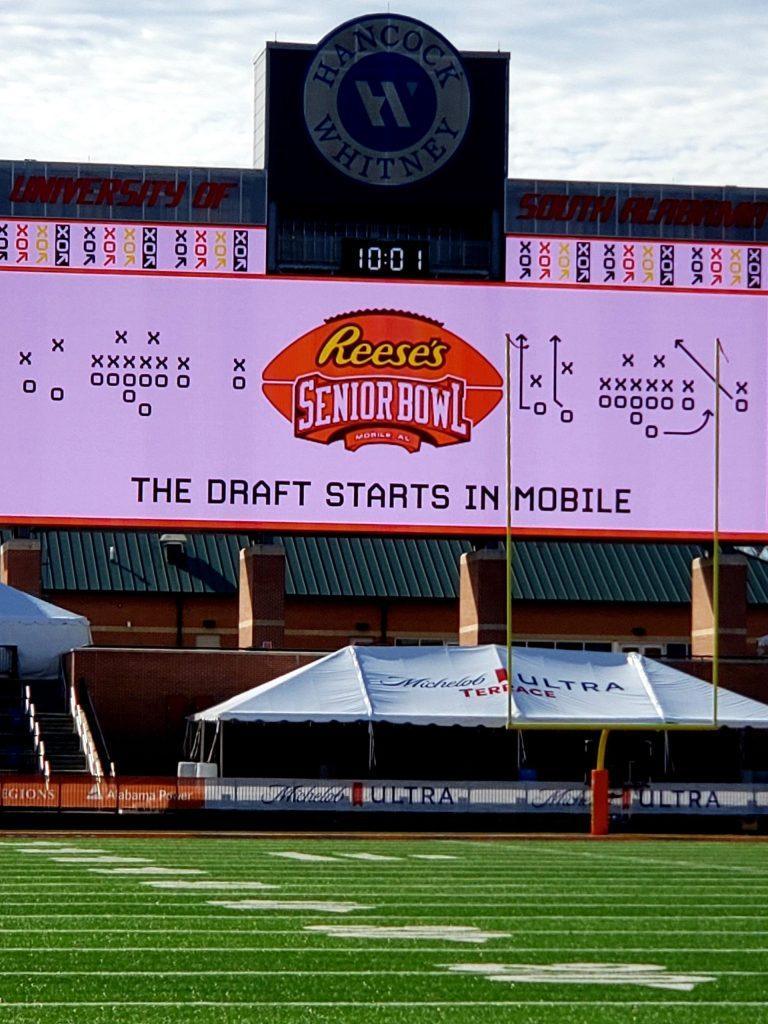
The city of Memphis has always produced a certain kind of lineman — the kind who doesn’t flinch when things get muddy. In this Senior Bowl cycle, that identity walks into Mobile in the form of two different body types with similar mentalities: Auburn edge rusher Keyron Crawford and Tennessee defensive tackle Bryson Eason. Put them side‑by‑side on the practice field, and you get a snapshot of modern defensive line scouting: bend and burst on the edge, mass and leverage inside.
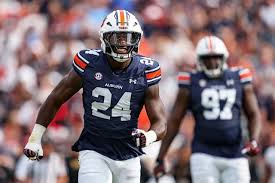
Start with the pros on Crawford. Physically, he checks the boxes. He’s long, well‑built, and carries his weight in a way that still leaves room for a pro strength‑and‑conditioning staff to fine‑tune. In the Auburn film, his first step shows up right away. He has enough get‑off to stress offensive tackles vertically, forcing them into uncomfortable sets where their hips open too early. Once he has that, his ability to convert to power — long‑arming a tackle back into the pocket, walking him toward the quarterback — gives him a path to wins even if the initial move doesn’t land clean.
There’s also a discipline to his game that coaches will appreciate. He rarely disappears for entire drives. The effort is consistent, the tackling is sound, and he’s not the guy you see freelancing badly out of his gap for a desperation splash play. That foundation matters. It gives NFL staffs a floor: here’s a player who will come into the building, line up where you tell him, and give you at least competent edge snaps on early downs while you sharpen the rush plan.
Eason’s positives come from a different place. His tape is filled with the kind of snaps position coaches love to cut up for their meeting rooms. Hand placement, pad level, and a willingness to take on double teams show up time and time again. He’s comfortable in that compressed space between the guards, where leverage, balance, and stubbornness mean more than raw forty times. He has played a lot of football against top competition and, for the most part, held his ground.
For a league that still values being able to line up in nickel and stop the run with light boxes, a player like Eason offers real utility. He can anchor a side of the line, keep the linebackers clean, and allow coordinators to get creative behind him. You don’t have to build a scheme around him; you plug him in and let him do the job he’s been doing for years.
On the cons side, Crawford lives in that space every edge prospect fears: the “tweener” label. He’s athletic enough to stand up, long enough to put his hand in the dirt, and experienced enough to move around, but if he doesn’t clearly flash in one role, teams may struggle to peg him. His rush menu is still a work in progress. There are real flashes — a well‑timed inside counter, a rip around the arc — but also long stretches where he leans too heavily on raw speed and length. Against NFL tackles, predictability is a losing bet.
Eason has his own questions. In a league that increasingly prizes up‑field disruption from interior linemen, his value as more of a steady anchor than a backfield wrecker can be a double‑edged sword. He’s not an explosive penetrator by nature. If Senior Bowl practices turn into a showcase for twitchier three‑techniques slanting and shooting gaps, evaluators may wonder whether he can offer more than early‑down work. Conditioning and range will also be scrutinized. Teams will watch how his motor looks late in long periods and whether he can chase plays sideline to sideline often enough to stay on the field in tempo situations.
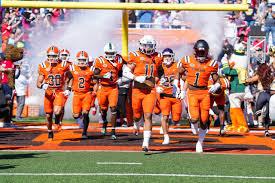
What Mobile offers both products of Memphis is a chance to frame the conversation themselves. If Crawford stacks wins in one‑on‑one pass‑rush drills and shows a clear, repeatable move he can hang his hat on, the “tweener” tag shifts toward “versatile weapon.” If Eason strings together a week of stonewalled double teams and enough interior push to flash on third down, teams will be more willing to draft a role player who helps them win ugly in January.