

A tough road stretch continued for Memphis on Saturday evening, but calling this just another bad night lets too many people off the hook. This 74–59 loss at Wichita State felt less like a stumble and more like a verdict on an era that has spent years talking big and delivering small. In snowy Wichita, the Shockers punched first, built a double-digit cushion almost before Memphis broke a sweat, and never loosened their grip. The Tigers, yet again, spent most of the evening reacting, not dictating, chasing a game they never looked prepared to control.
Fast Starts, Slow Death
The scoreboard only confirmed what the eye test screamed early. Memphis trailed 22–8 in the first eight minutes and would fall behind by as many as 24. That kind of start isn’t a one-off; it has become a calling card of this program under Penny Hardaway. The Tigers bricked their way to a 3-for-19 mark from deep and turned it over 17 times, handing Wichita State extra possessions and easy points while never developing any sustained offensive rhythm. On the other side, the Shockers calmly carved Memphis up with balance and poise – four players in double figures, early shot-making from Brian Amuneke, and a clear plan that never wavered. One team knew who it was from the opening tip. The other was still searching.
Empty Stats, Empty Identity
By the time the halftime horn sounded, Memphis was down 40–22, and the stat sheet told a brutal truth. Ball movement was non-existent early; the Tigers didn’t record an assist until their fourth made field goal, a corner three from Ashton Hardaway. That single sequence was a snapshot of a larger problem that has defined this tenure: when the first idea doesn’t work, there is no reliable second option. Possessions devolve into isolation, late-clock chucking, and wishful thinking.
Yes, Memphis did what it often does – made things look respectable late. After falling into a 24-point hole, the Tigers stitched together a 26–13 run over 11 minutes, capped by a Curtis Givens III three that cut the deficit to 69–58 with 5:28 remaining. Givens finished with 11 points, Aaron Bradshaw added 10 points and a season-high nine boards with two steals, and Simon Majok poured in 10 after the break. The bench chipped in 29 points. On paper, it reads as resilience. On the floor, it felt like cosmetic surgery on a blowout that had already told you everything you needed to know.
A Tenure Built on Hype, Not Hardware
This loss dropped Memphis to 1–6 in true road games and marked a third straight conference defeat away from home. That is not an outlier; it’s a mirror. The Tigers shot 40.7 percent from the field, just 15.8 percent from three, surrendered nine made threes to Wichita State, got outrebounded 40–36, allowed 12 offensive boards, committed those 17 turnovers, and managed only eight assists – tying a season low. Those aren’t random bad numbers. They are fingerprints of a program with a flawed foundation.
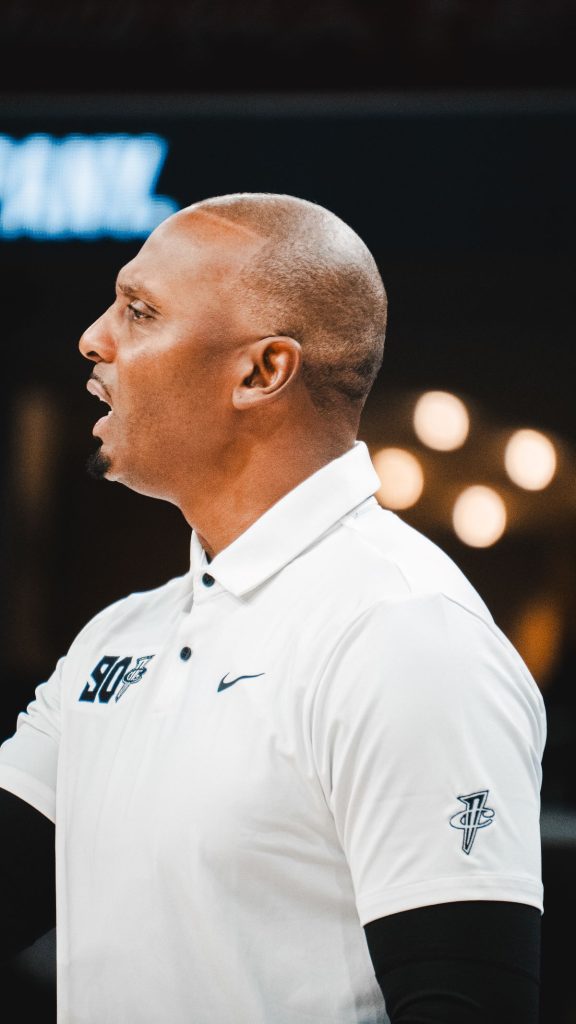
Zoom out, and the pattern becomes impossible to ignore. Under Penny Hardaway, Memphis has had talent, attention, and plenty of preseason headlines. There have been moments – a conference tournament run, a couple of brief NCAA Tournament flashes – but they’re scattered dots, not a sustained arc. Postseason success has been limited and fleeting. Too often, Memphis arrives in March as a bubble question instead of a bracket problem. For all the talk of restoring national relevance and raising the bar, the results suggest the bar has been mostly grazed, not cleared.
Off-Court Smoke, On-Court Mirrors
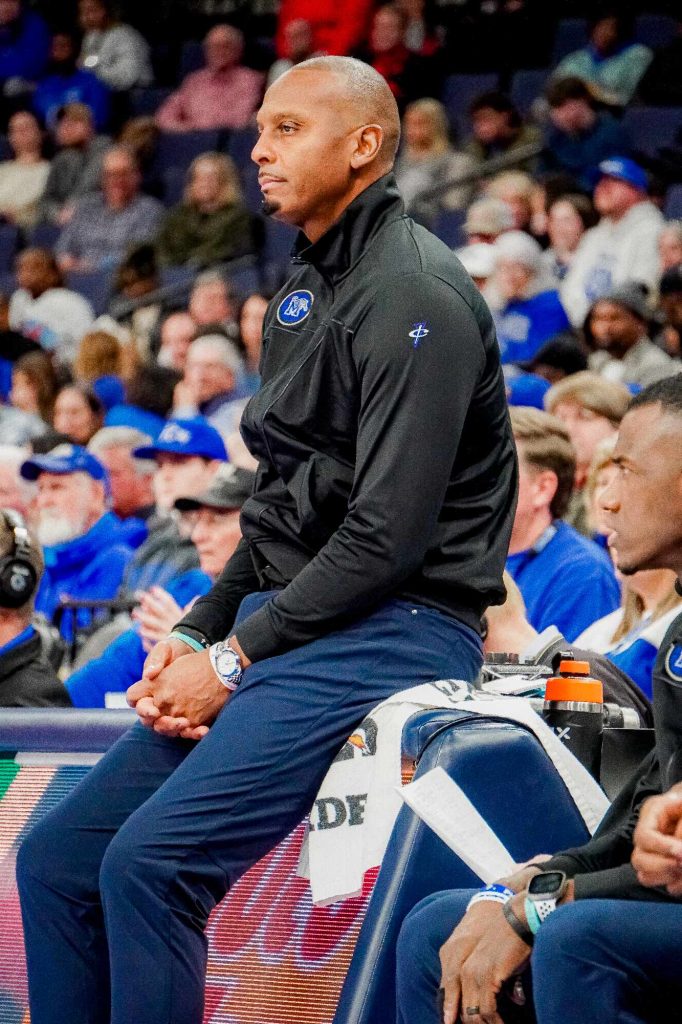
The on-court inconsistency has been matched by turbulence away from it. NCAA issues, investigations, and avoidable drama have hung over this era, inviting scrutiny that could have been dodged with steadier decision-making. Those storms might be tolerable if they were balanced by deep runs and banners. Instead, they’ve become background noise for a program still trying to prove it belongs among the sport’s serious contenders. Add in constant roster turnover, a revolving door of transfers, and lineups that seem to change as often as the weather, and you get a level of instability that would sink most coaches long before this point.
When Penny took the job and declared he wanted “all the smoke,” it resonated because it matched Memphis’ DNA. This city doesn’t flinch. But wanting the smoke is one thing; living in it every night is another. High-major coaching demands more than charisma and nostalgia. It requires tactical clarity, game-to-game consistency, and the ability to sharpen a team as the season progresses and the stakes rise. Years into this experiment, the identity is clear: streaky, volatile, and unreliable when the pressure peaks.
Experimental Lineups, Predictable Results
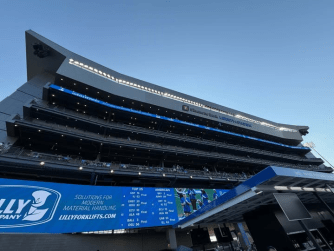
What played out at Charles Koch Arena was a microcosm. A starting five of Dug McDaniel, Quante Berry, Curtis Givens III, Hasan Abdul Hakim, and Aaron Bradshaw took the floor together for just the third time, but the group looked more like a late-January trial run than a polished product. Offense relied on individual shot-making rather than structure. Defense came in quick bursts but never sustained enough stops to seriously threaten Wichita State’s control. Bradshaw battled on the glass, Majok sparked off the bench, Julius Thedford scraped for seven points and six boards – all honest efforts, all swallowed by a game whose outcome never truly felt in doubt.
The Question Memphis Can’t Avoid
At some point, Memphis has to stop asking when this is going to turn and start asking if it ever will under this staff. Nearly a decade in, the conversation is still about potential instead of proof. Road toughness is still missing. Half-court offense is still choppy. Postseason composure is still more theory than reality. The NCAA noise, the inconsistency, the recurring underperformance in March – it all points in one direction.
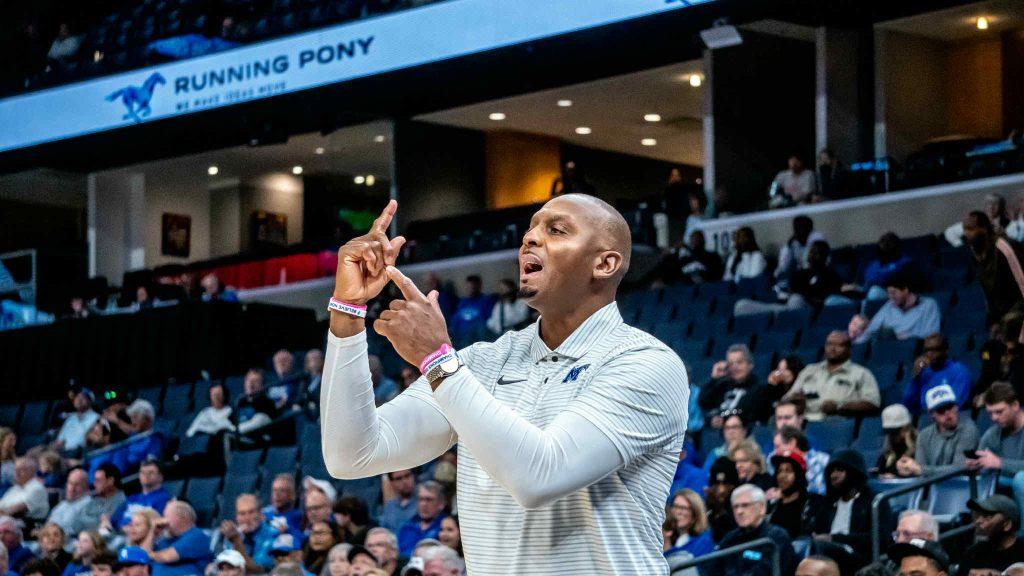
This isn’t about erasing what Penny Hardaway means to Memphis. His legacy as a player and ambassador will always matter here. But the job he holds now is not about nostalgia; it’s about results. Saturday in Wichita was more than another conference loss. It was another loud reminder that the vision sold at the beginning of this era has not materialized. Memphis can keep convincing itself that next year will finally match the promise, or it can face what the evidence keeps shouting: this project has hit its ceiling, and if the program truly wants to climb, it’s time to start talking seriously about what comes next.