
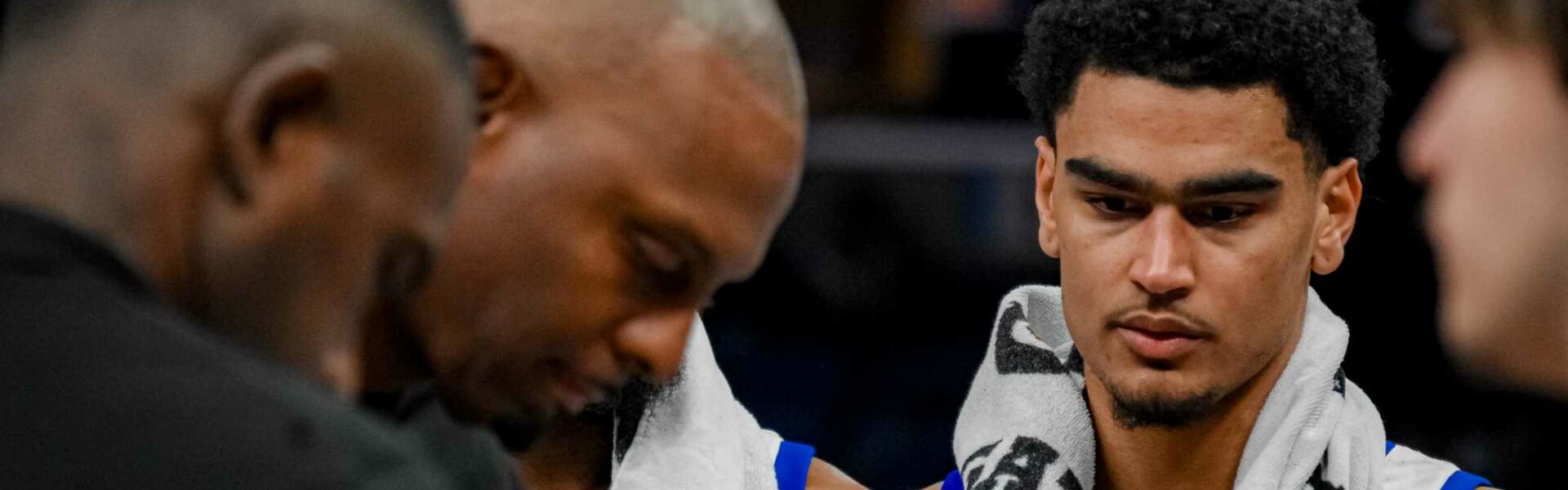
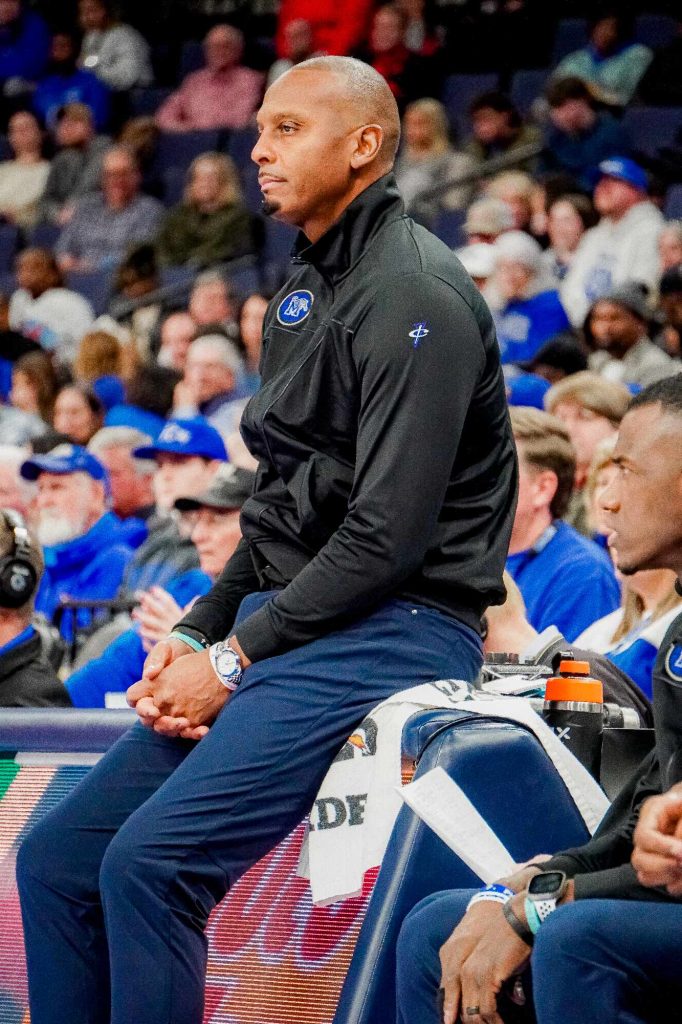
Man, this hurts to watch. What kicked off as one of the purest, most electric homecoming stories in college basketball has twisted into something raw and painful. Penny Hardaway—the legend, the hometown king—came back to reignite the Memphis Tigers’ fire, blend NBA shine with Memphis soul, and make the program roar again. Eight years deep, though? It feels like the whole thing is cracking under pressure, suffocating between blind nostalgia and the brutal demand for real accountability.
Is The Penny Hardaway Era Over In Memphis?
This isn’t some quiet local drama anymore. The Memphis saga has exploded into a national gut-punch—a blazing warning about what happens when heart overrides hard structure, when expectations skyrocket without the foundation to hold them, and when a city clings so tight to its hero that it forgets to demand better.
When Pure Emotion Overpowered Solid Structure
Back in 2018, the hire felt like destiny. The kid who put Memphis on the map returns as the savior. Recruiting exploded, FedExForum shook with real energy, and for a minute, the Tigers were relevant again—electric, dangerous, alive. But that magic faded fast. What started as a revival turned into this exhausting loop: massive hype, inevitable chaos, rinse, repeat. The problem isn’t the American Conference—other programs have dominated it. Memphis has the talent pool, the facilities, the spotlight to go toe-to-toe with anyone… yet they keep sabotaging themselves. That gut-wrenching collapse at Tulsa? Leading by five with eight minutes left, then watching Tulsa drop a 26-4 hammer to win 83-66? That’s not a fluke. That’s erosion. A team that used to play with swagger now looks broken, haunted by every stumble that’s come before.
A Ugly Pattern That’s Impossible to Ignore
Controversy isn’t visiting Memphis—it’s taken up permanent residence. James Wiseman’s saga, wave after wave of NCAA probation, and then that bombshell in July 2025: academic fraud where softball players got paid to handle coursework for basketball guys. Two more years of probation, a fine, and the NCAA’s slap was crystal clear—the program lacks real oversight, and the leadership hasn’t learned a damn thing from the past mistakes. Three major infractions cases? That’s not bad luck. That’s systemic failure.
Anywhere else, this track record—repeated violations stacked on top of mediocre March results—would’ve sparked a coaching change yesterday. But in Memphis, Penny’s legacy acts like armor. The excuses scream louder, the patience stretches longer, and the accountability shrinks. Nationally, though? The goodwill is gone. Memphis is becoming the poster child for how dangerous unchecked loyalty can be—when devotion turns into a shield that protects problems instead of fixing them.
The Results Are Screaming Louder Than the Hype
Defenders keep leaning on the same lines: “Memphis matters again,” “We’re close,” “Look at the recruits, the NBA pipeline.” But wins don’t lie, and the numbers sting. One lonely NCAA Tournament win since Penny arrived. Rosters that flip every offseason like a revolving door. Talk of grit and toughness that vanishes when the lights burn brightest. Now they’re limping at 9-9 overall, 4-2 in conference after that Tulsa disaster—tied for second but feeling miles behind. This isn’t about a brutal schedule or unlucky bounces. This is leadership that’s run out of gas, out of excuses, and out of credibility to rally the troops.
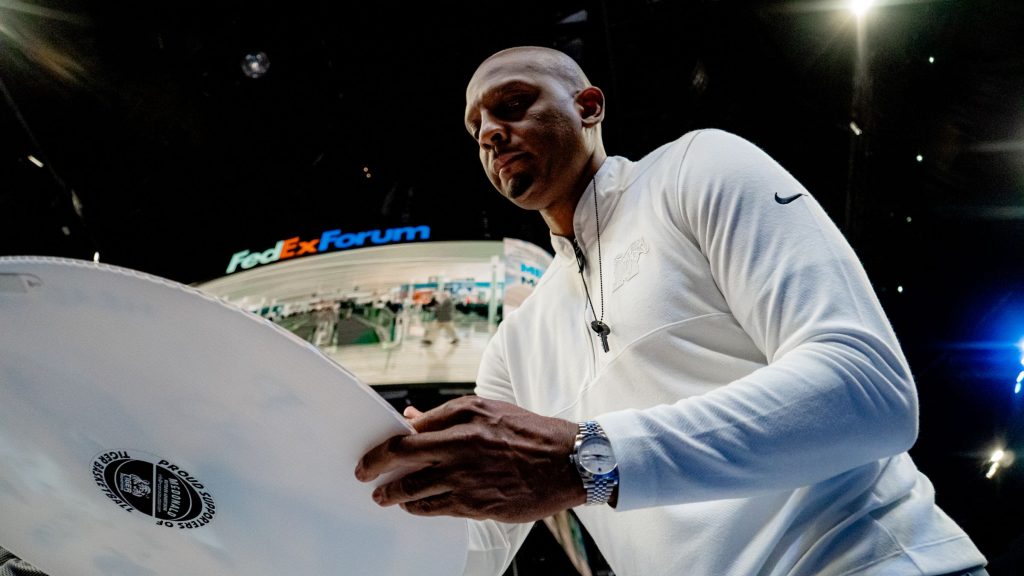
The Bigger Picture: A National Wake-Up Call
Penny’s status as Memphis royalty is untouchable—what he did as a player, what he means to the city, that’s forever. But college basketball is staring hard because this story hits deeper: how far programs will bend for sentiment, how long they’ll delay the reckoning before demanding substance over story. Memphis proves a big name and warm memories can’t replace discipline, structure, and zero-tolerance accountability. Blind loyalty doesn’t build dynasties—it paralyzes them, turning a once-fearless brand into something timid and stuck.
If Penny stepped aside on his own—walked away with grace—he’d protect his legend and hand Memphis a real shot at rebirth without tearing the city apart. If he digs in? They risk becoming that tragic cautionary tale forever: not just the wins that slipped away, but how a hero’s return slowly crumbled into denial and decay.
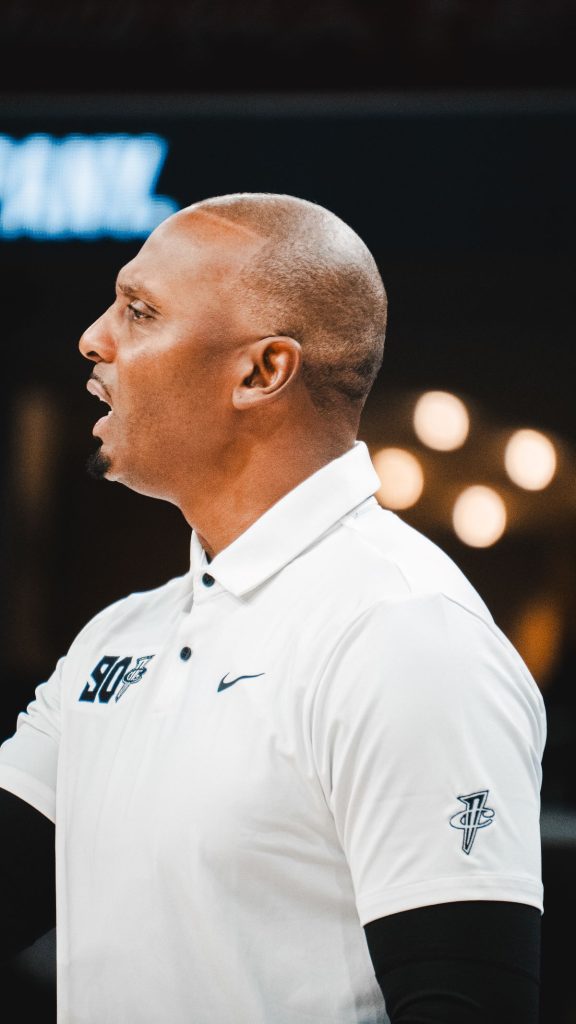
Bottom line, and it burns to say it: The American isn’t holding Memphis back. Memphis is holding itself back—clinging to the past while the future slips through its fingers. The university has to decide, right now: keep romanticizing what was, or fight like hell for what could be. Sentiment lit this fire… but only brutal, unflinching standards can keep it from burning everything down. Come on, Memphis—time to wake up and demand more. The city deserves it. The program needs it. And honestly? Penny’s legacy deserves better than this slow unraveling.